The Iconic Channels & Passages
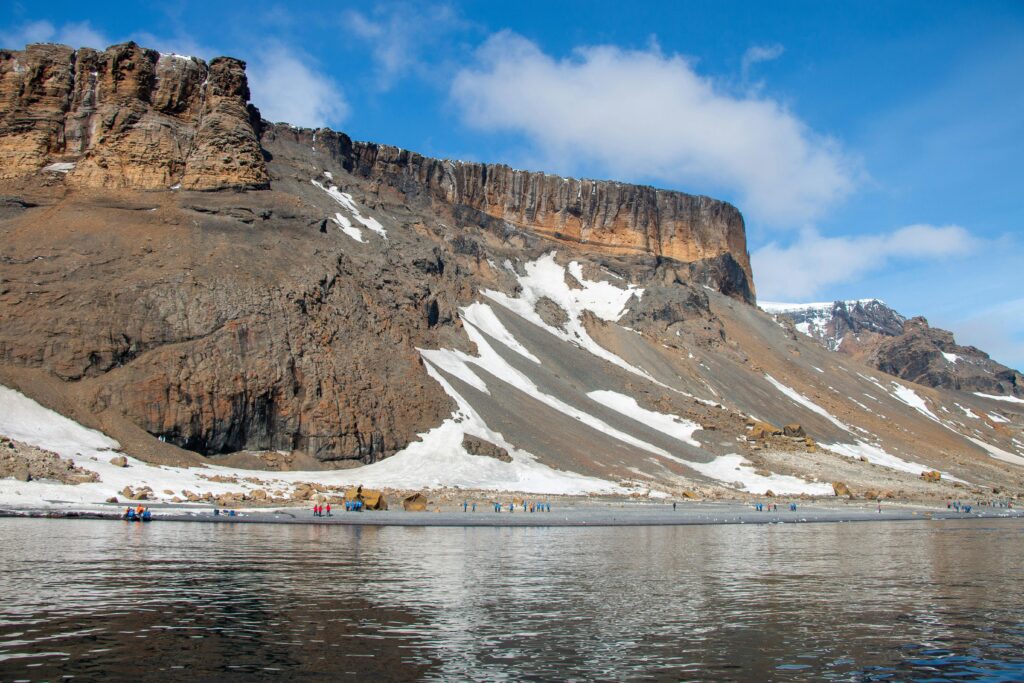
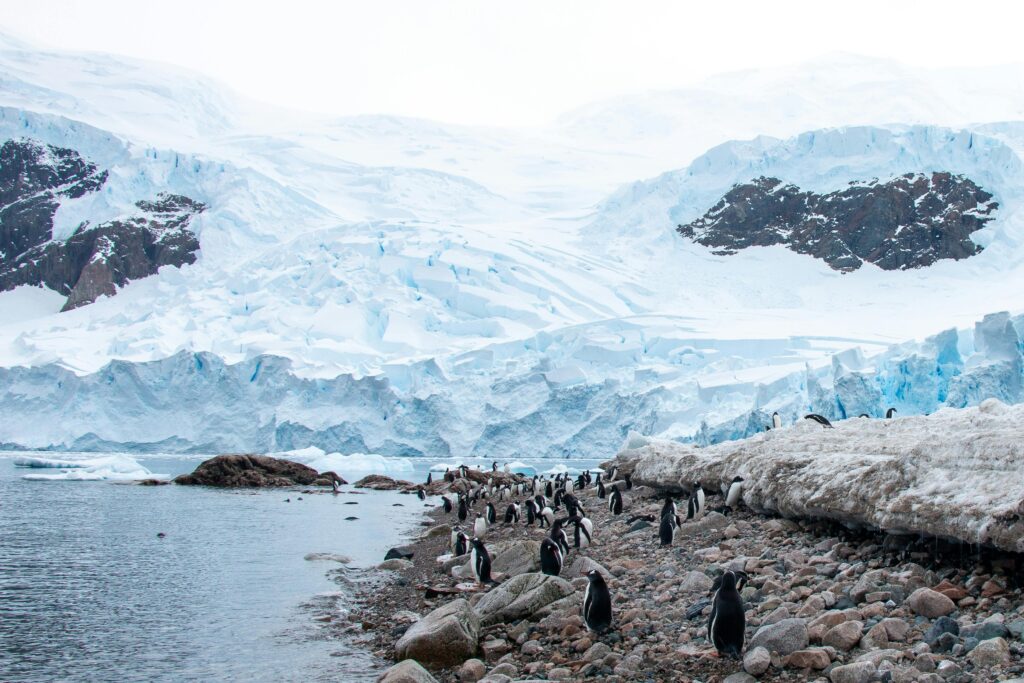
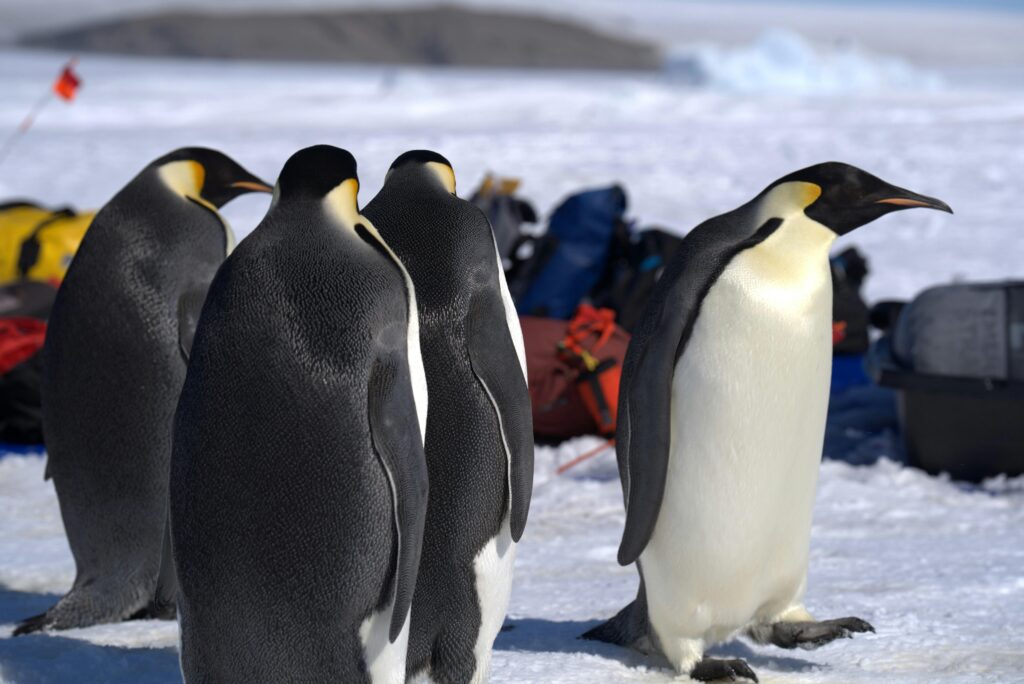
The Iconic Channels & Passages of Antarctica The Iconic Channels & Passages of Antarctica: Drake, Lemaire, Neumayer & Antarctic Sound — A Journey Through the World’s Most Dramatic Waterways Sail through Antarctica’s most legendary waterways — brave the Drake Passage, photograph Lemaire Channel’s mirror-perfect cliffs, drift through Neumayer Channel’s mountain scenery, and navigate Antarctic Sound’s cathedral icebergs. Pricing Plan Basic Pack Individual Plan $ 159 99 /Per Person Free beer, standard wines, spirits and cocktails during bar service hours and dinner. All meals, snacks, soft drinks and juices on board throughout your voyage. Leadership throughout the voyage by experienced Expedition Team. All Zodiac transfers and cruising as per the daily program. Shipboard accommodation with daily housekeeping. View Details WHY ANTARCTICA’S WATERWAYS MATTER The Journey Between the Landings Is Just as Extraordinary as the Landings Themselves On most travel itineraries, the time spent moving between destinations is simply dead time — something to be tolerated before the next experience begins. Antarctica is completely different. On our 11-day Antarctic Explorer voyage, every nautical mile you cover tells a story. Moreover, some of the most powerful and memorable moments of the entire expedition happen not on shore, but on the water — in the channels, the passages, and the sounds that connect the continent’s most extraordinary places. This is because Antarctica’s waterways are not simply routes. They are environments in themselves. The Drake Passage is one of the most storied stretches of ocean in the history of exploration. The Lemaire Channel is so narrow and so perfectly framed by cliff and glacier that photographers describe it as one of the greatest natural compositions they have ever seen. The Neumayer Channel winds between mountain peaks so dramatic that guests regularly describe sailing through it as the closest thing to moving inside a painting. And the Antarctic Sound is not a channel at all in the conventional sense — it is a floating gallery of the largest icebergs on Earth, drifting slowly through the water in every direction. Together, these four waterways frame and connect every shore landing on the voyage. In addition, they provide continuous wildlife opportunities throughout the transit — Humpback Whales surface alongside the bow, Antarctic Petrels and Cape Petrels wheel above the wake, and Leopard Seals rest on passing ice floes with complete indifference to the ship. Therefore, there is no such thing as a quiet transit day on this voyage. Every hour on the water brings something worth stopping for. THE FOUR WATERWAYS Four Waterways. Four Completely Different Worlds. Each of the four passages and channels on this voyage has its own character, its own history, and its own way of making you feel genuinely small — in the most extraordinary sense of the word. The Drake Passage — The Crossing That Makes You an Explorer Tag: Rite of Passage The Drake Passage is, without question, the most famous stretch of open ocean in the world. It lies between Cape Horn at the southern tip of South America and the South Shetland Islands at the northern edge of Antarctica — a gap of approximately 800 kilometres of unobstructed Southern Ocean. Because there is no land anywhere in this latitude band to slow or redirect the Antarctic Circumpolar Current, the Drake Passage carries more water than any other ocean passage on Earth. Furthermore, the winds that funnel through it can reach extraordinary speeds, producing swells that have humbled ships and sailors for centuries. Every traveller who has ever reached Antarctica by sea has crossed the Drake Passage. In this sense, it is a rite of passage in the most literal meaning of the phrase. Among expedition travellers, the crossing has a well-known distinction: a calm crossing — with relatively flat seas and light winds — is called a “Drake Lake,” while a rough crossing with heavy swells and rolling waves is called a “Drake Shake.” In either case, your polar-class, stabilized vessel is fully equipped to handle whatever the Southern Ocean offers. Modern stabilizer technology means that even on rougher crossings, the ship remains comfortable, and the onboard medical team is always available. However, the Drake Passage is far more than simply something to get through. The two days crossing it southbound are filled with expert presentations by your onboard expedition team — lectures on the history of Antarctic exploration, the science of glaciology, the ecology of Southern Ocean wildlife, and the geology of the Peninsula. Consequently, by the time the first iceberg appears on the horizon and the lookout calls it out over the ship’s intercom, you are already fully prepared to understand exactly what you are seeing and why it matters. Additionally, the Drake Passage itself is alive with wildlife. Cape Petrels, Wandering Albatrosses, Black-browed Albatrosses, and Giant Petrels all follow the ship throughout the crossing, riding the thermals created by the vessel’s movement with effortless precision. Spotting and identifying these birds from the deck — guided by your expedition ornithologists — is a genuine and absorbing activity that occupies many guests for hours at a time. Therefore, the Drake Passage is not dead time. It is the beginning of the expedition — and for many guests, the moment they first truly understand where they are going. Key Experiences: Open Southern Ocean crossing by polar-class vessel Drake Lake or Drake Shake — every crossing is different Expert onboard lectures on glaciology, history and wildlife Wandering Albatross and Cape Petrel seabird watching from the deck First iceberg sighting — one of the voyage’s most anticipated moments Crossing into the Antarctic Convergence zone Key Experiences: Transit through one of Antarctica’s narrowest channels Perfect mirror-image glacier and cliff reflections Deck photography of the full 11-kilometre passage Leopard Seal and Crabeater Seal sightings on ice floes Humpback Whale encounters inside the channel Optional Zodiac cruising at water level within the channel Glacier calving sights and sounds Lemaire Channel — The Most Photographed Place in Antarctica The Lemaire Channel has a nickname that it has carried for decades among Antarctic expedition travellers: Kodak