The Antarctic Peninsula
The Antarctic Peninsula: Step onto the Mainland, Walk with Adélie Penguins & Witness Whale Feeding Frenzies
Discover the Antarctic Peninsula—stand on the actual continent at Neko Harbour, see the largest Gentoo Penguin colony at Cuverville Island, and watch Humpback Whales feed in Wilhelmina Bay.
Pricing Plan
Basic Pack
Individual Plan
$
159
99
/Per Person
Free beer, standard wines, spirits and cocktails during bar service hours and dinner.
All meals, snacks, soft drinks and juices on board throughout your voyage.
Leadership throughout the voyage by experienced Expedition Team.
All Zodiac transfers and cruising as per the daily program.
Shipboard accommodation with daily housekeeping.
The Antarctic Peninsula
Where the Continent Finally Reveals Itself
The Antarctic Peninsula stretches northward from the main continent like a pointing finger, reaching toward the tip of South America. Because of this position, it is the most accessible part of Antarctica — and yet it remains one of the most dramatic and unspoiled places on the entire planet. Furthermore, it is the only part of Antarctica where expedition tourists can actually step onto the continental landmass itself, rather than onto islands offshore.
On our 11-day Antarctic Explorer voyage, Days 5 through 8 are dedicated entirely to exploring five extraordinary sites along the Peninsula. Each one is completely different from the last. Consequently, you move from glassy mountain-reflected bays to thundering penguin colonies, from world-class whale watching to towering volcanic cliffs. Together, these five stops paint a full and vivid picture of what Antarctica truly is.
Because the Peninsula receives slightly more sunlight than the deep interior of the continent, it also supports a richer and more visible ecosystem. In other words, this is where you will see the highest concentration of Antarctic wildlife on the entire voyage. Humpback Whales, Adélie Penguins, Gentoo Penguins, Snow Petrels, Leopard Seals, and Crabeater Seals are all regularly encountered here. Moreover, the scenery — enormous glaciers, impossibly blue icebergs, and mountain peaks reflected in perfectly still water — is consistently described by returning travellers as the most beautiful they have ever seen.
Every shore landing on the Peninsula is led by our experienced expedition team, who ensure every visitor understands the significance of what they are witnessing. Additionally, Zodiac cruising and optional kayaking bring you even closer to the ice, the wildlife, and the water. Therefore, whether you are a seasoned adventurer or a first-time polar traveller, the Antarctic Peninsula delivers an experience that is simply impossible to replicate anywhere else on Earth.
FIVE SITES. ONE CONTINENT. ZERO CROWDS.
Five Sites. One Continent. Zero Crowds.
Each stop on the Antarctic Peninsula offers something entirely different from the last. Together, they cover the full spectrum of what makes this region the most sought-after polar destination in the world.
Paradise Bay — The Reflection That Stops Time Tag: Most Photographed Site
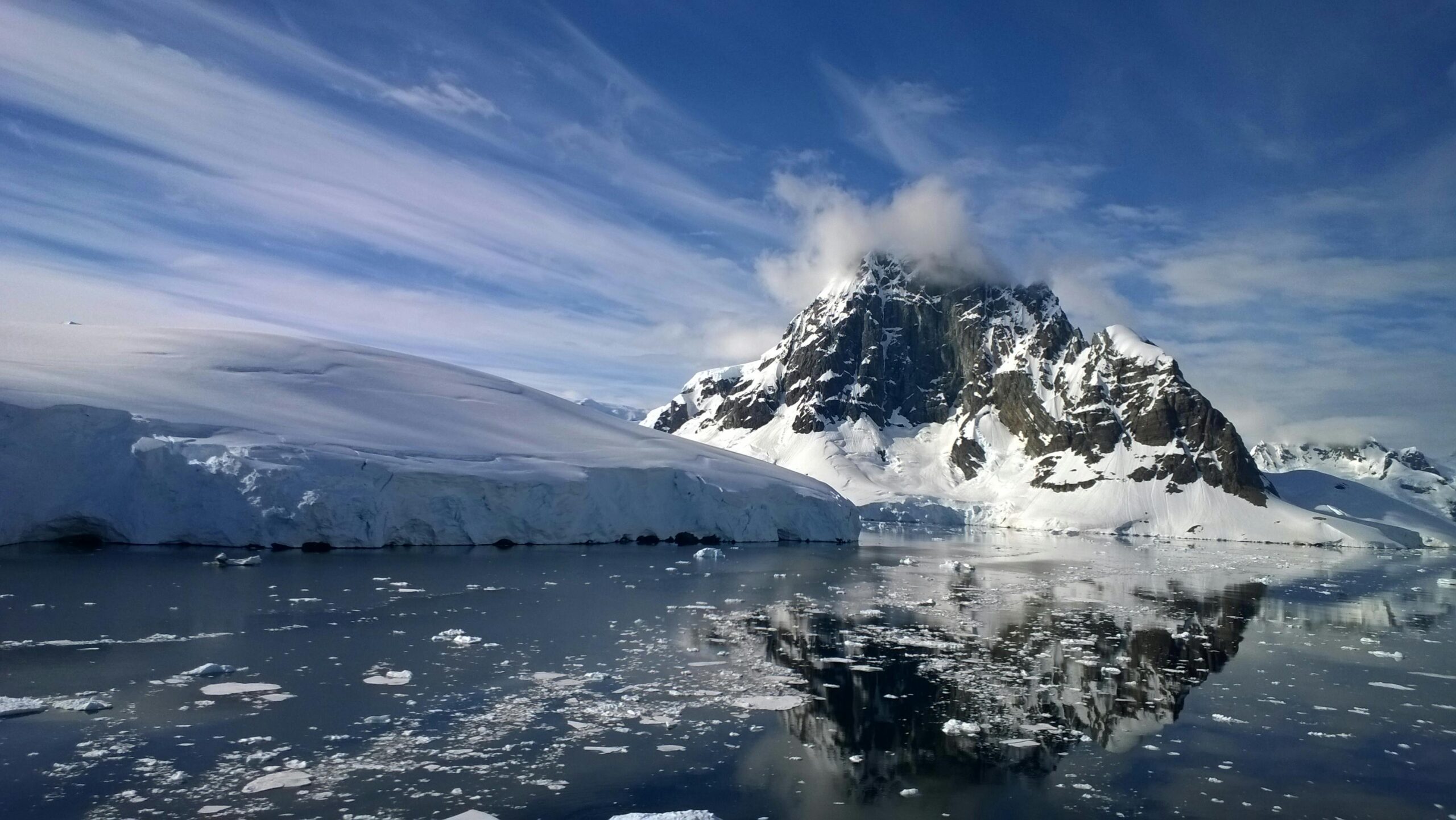
Living entirely up to its name, Paradise Bay is the kind of place that makes experienced travellers go completely silent the moment they first see it. The bay is surrounded on all sides by glaciated mountain peaks, and on calm days — which are more common here than most people expect — those peaks reflect in the still, dark water with such clarity that it becomes difficult to tell where the ice ends and the sky begins.
Living entirely up to its name, Paradise Bay is the kind of place that makes experienced travellers go completely silent the moment they first see it. The bay is surrounded on all sides by glaciated mountain peaks, and on calm days — which are more common here than most people expect — those peaks reflect in the still, dark water with such clarity that it becomes difficult to tell where the ice ends and the sky begins.
Paradise Bay sits on the western side of the Antarctic Peninsula and is one of the most sheltered anchorages in the entire region. As a result, Zodiac cruising here is an exceptional experience. You glide slowly between cathedral-sized icebergs that glow in shades of deep blue and white, listening to the distant crack of glaciers calving into the sea. Because there is very little wind in the sheltered interior of the bay, the silence is extraordinary — the kind of silence that feels almost physically present.
In addition to its scenery, Paradise Bay is home to the Argentine Almirante Brown research station, which is occasionally open for visits. The station sits at the base of a steep snow slope that guests can ascend with expedition team members, offering panoramic views over the entire bay and surrounding peaks. Furthermore, the hike up gives you a perspective on the scale of Antarctic glaciation that is very difficult to grasp from sea level alone. Whether you choose to hike, cruise by Zodiac, or simply stand on the shore and absorb the silence, Paradise Bay consistently ranks as one of the most emotionally powerful moments of the entire voyage.
Key Experiences:
- Perfect mountain reflections in still water
- Zodiac cruising among cathedral icebergs
- Argentine Almirante Brown research station
- Snow slope panorama hike
- Glacier calving viewpoints
Key Experiences:
- Step onto the Antarctic continent itself
- Neko Glacier calving face
- Gentoo Penguin colony on continental soil
- Snow slope panoramic views
- Zodiac cruising among ice floes
Neko Harbour — Your First Step on the Continent
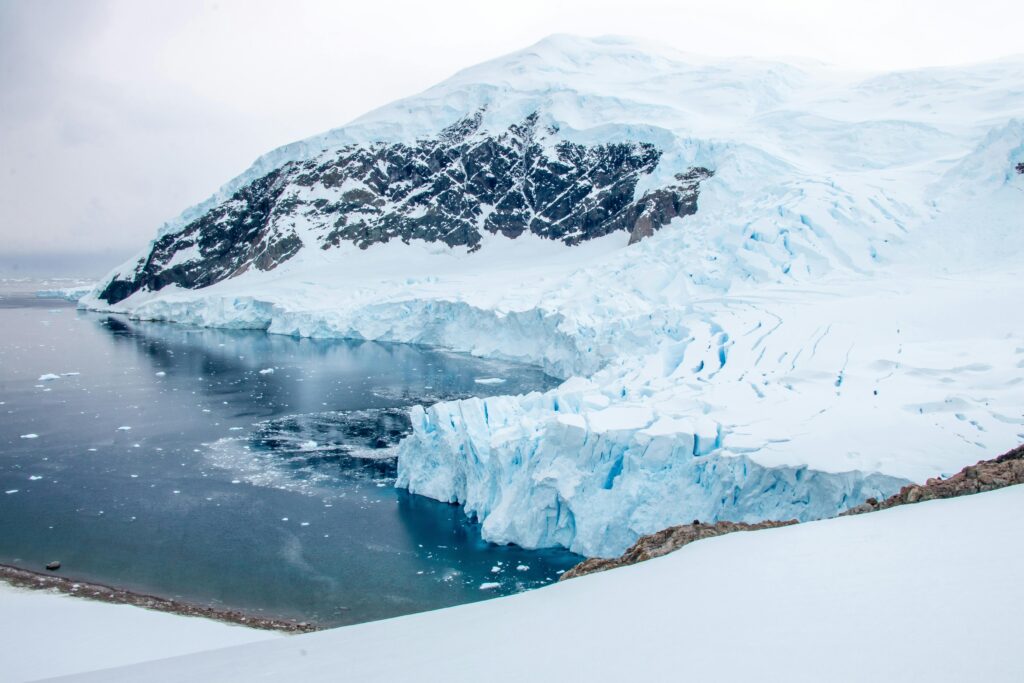
Of all the landings on an Antarctic expedition, very few carry the same emotional weight as Neko Harbour. This is because Neko Harbour is one of only a handful of sites where visitors can walk directly onto the Antarctic continent itself — the actual landmass, not an offshore island. The moment your boots touch the gravel beach and you look up at the glacier wall rising behind you, the realisation hits: you are standing on the 7th Continent.
The harbour is dominated by the Neko Glacier, a massive wall of ancient ice that rises directly from the shoreline and towers above the landing beach. Pieces of this glacier calve regularly into the water, sending small waves rolling across the bay and a sharp crack echoing through the mountains. Therefore, Zodiac operators maintain a respectful distance from the glacier face — but the scale of it is clearly visible and deeply impressive from anywhere on the beach.
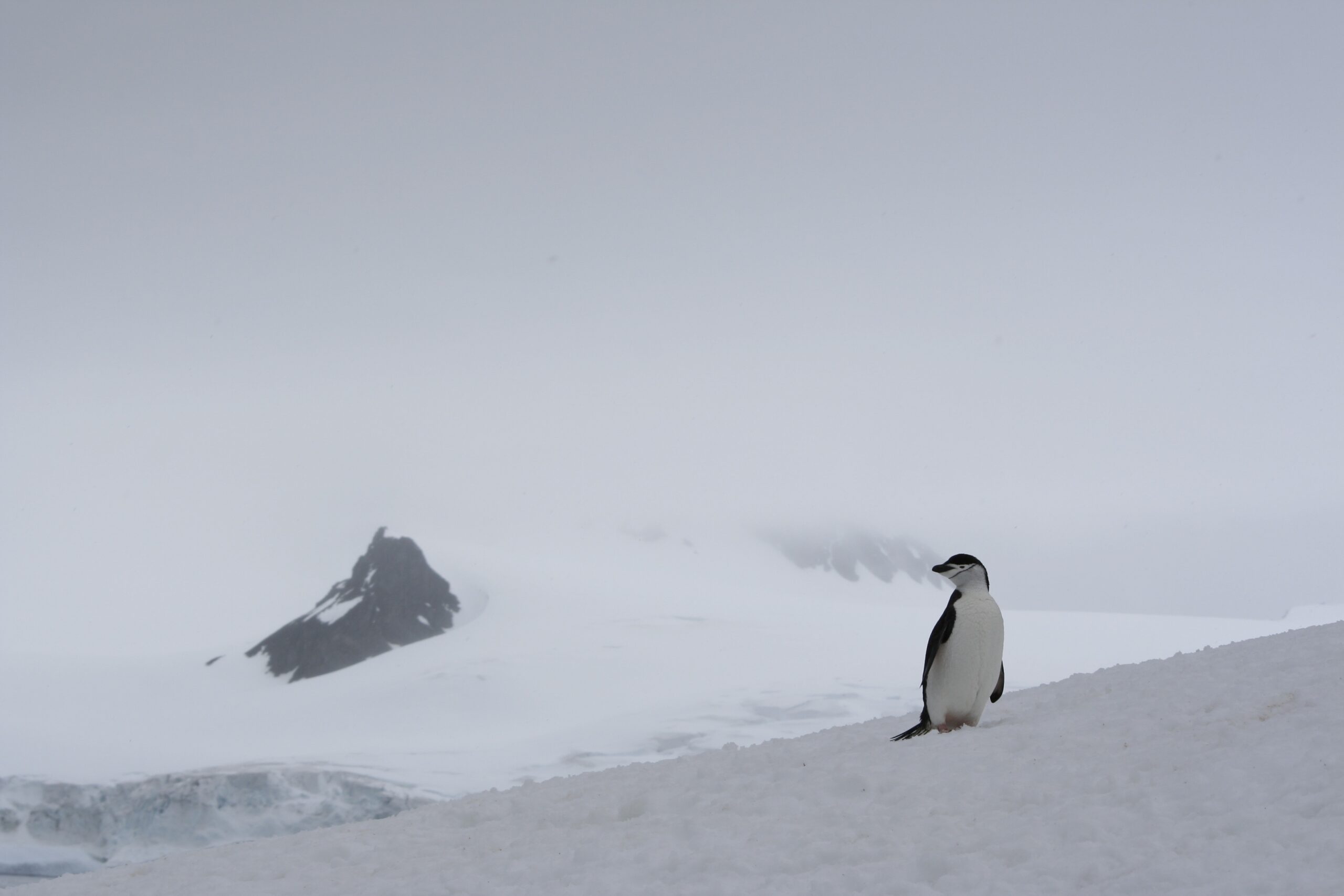
A colony of Gentoo Penguins nests on the rocky slopes above the beach, and the well-worn penguin paths that lead up toward their nesting sites wind between boulders and patches of snow. Consequently, visitors often find themselves sharing the trail with penguins heading back and forth to the sea to feed. This interaction — completely unforced and entirely on the penguins’ own terms — is one of the most frequently cited highlights of the entire voyage by returning guests.
Additionally, the views from the upper slopes of the beach are simply staggering. You look out across the harbour, past the Zodiac inflatables, to the polar-class vessel anchored in the distance, surrounded by ice and mountain and sky. In that moment, it is easy to understand why so many people describe Antarctica as the most moving place they have ever visited.
Cuverville Island — The Gentoo Capital of the Peninsula Tag: Wildlife Hotspot
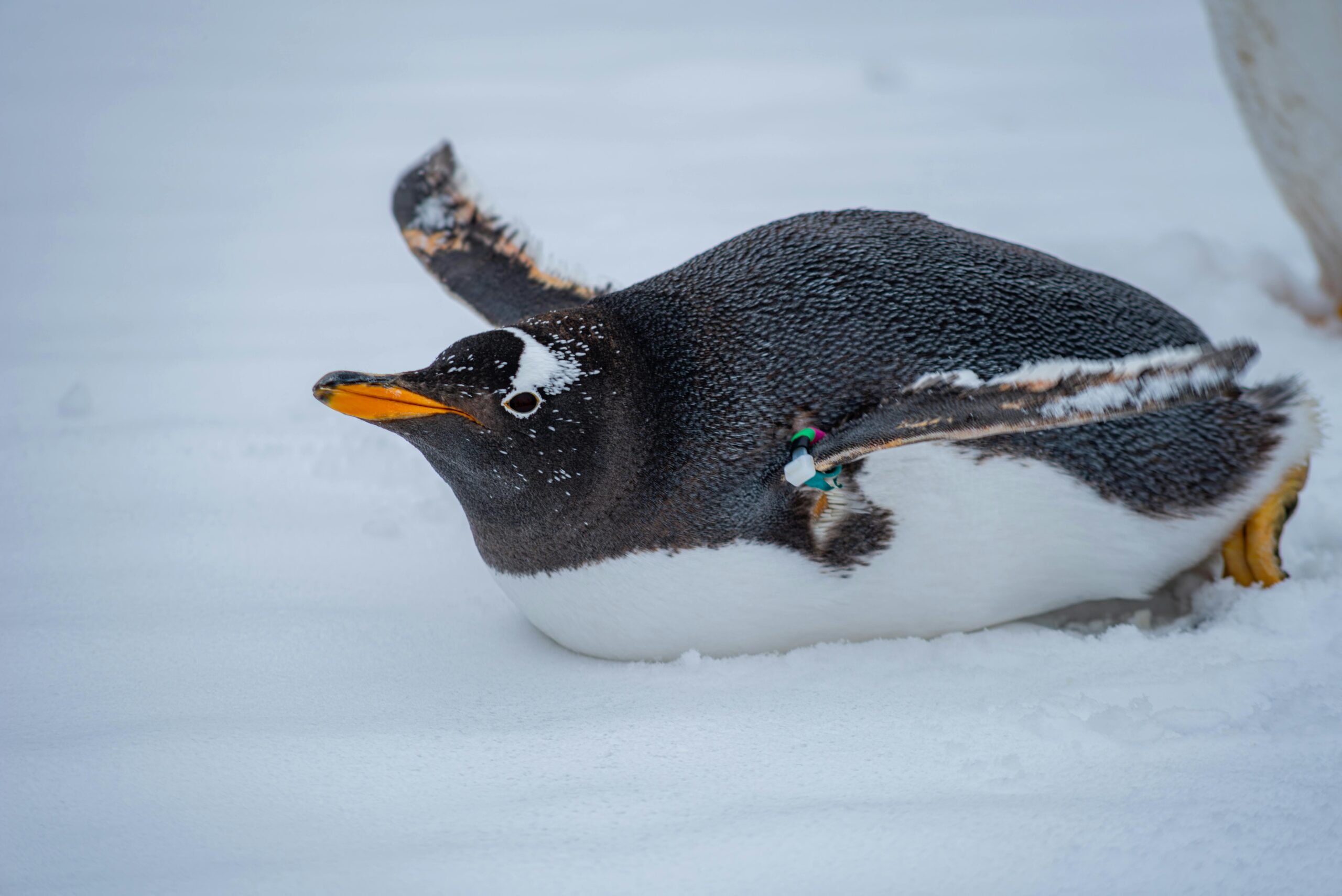
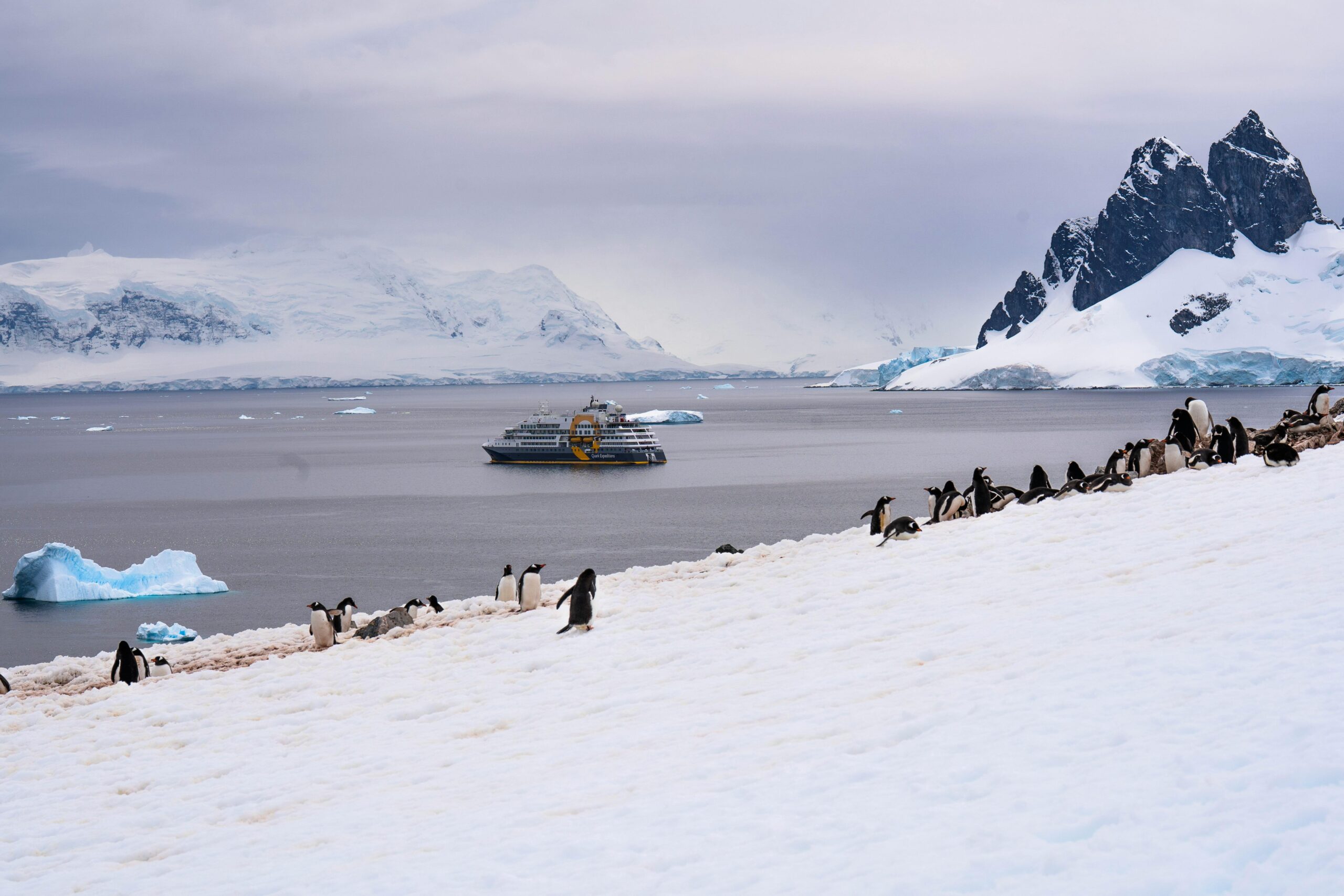
Cuverville Island holds a remarkable distinction: it is home to the largest single colony of Gentoo Penguins on the entire Antarctic Peninsula. Gentoo Penguins are the fastest swimming penguins in the world, capable of reaching speeds of up to 36 kilometres per hour underwater. On land, however, they move in a wonderfully waddling, unhurried way that makes them endlessly entertaining to watch.
The colony at Cuverville numbers in the thousands, and the sheer density of life here is extraordinary. Because Gentoo Penguins are highly social during the breeding season, the colony is loud, busy, and constantly in motion when you arrive in November. Pairs are building nests from small stones — a courtship behaviour unique to Gentoo Penguins — and watching two penguins carefully select and present pebbles to each other is both fascinating and genuinely charming.
Furthermore, Cuverville is surrounded by some of the most photogenic scenery on the Peninsula. The island sits in the Errera Channel, a narrow passage between the Peninsula and the offshore islands, and the channel is often filled with drifting ice that provides a stunning backdrop for photography. In addition, Blue-eyed Shags frequently nest on the island’s rocky outcrops alongside the penguins, adding further wildlife interest to an already rich landing.
Zodiac cruising in the Errera Channel is also outstanding. Because the channel is relatively narrow, icebergs and bergy bits are funnelled through it in a near-constant procession, and the ice photography opportunities from a low-riding Zodiac are exceptional. Humpback Whales are also regularly spotted feeding in the channel on krill, particularly in November when prey is abundant and the whales are most active.
Key Experiences:
- Largest Gentoo Penguin colony on the Peninsula
- Pebble courtship behaviour up close
- Blue-eyed Shag nesting sites
- Errera Channel Zodiac ice cruising
- Humpback Whale sightings in the channel
Key Experiences:
- Humpback Whale feeding and bubble-net behaviour
- Water-level Zodiac whale encounters
- Whale breaching and tail-lobbing displays
- Glaciated mountain scenery
- November peak krill bloom sightings
Wilhelmina Bay — Where the Whales Rule Tag: Whale Watching Hotspot
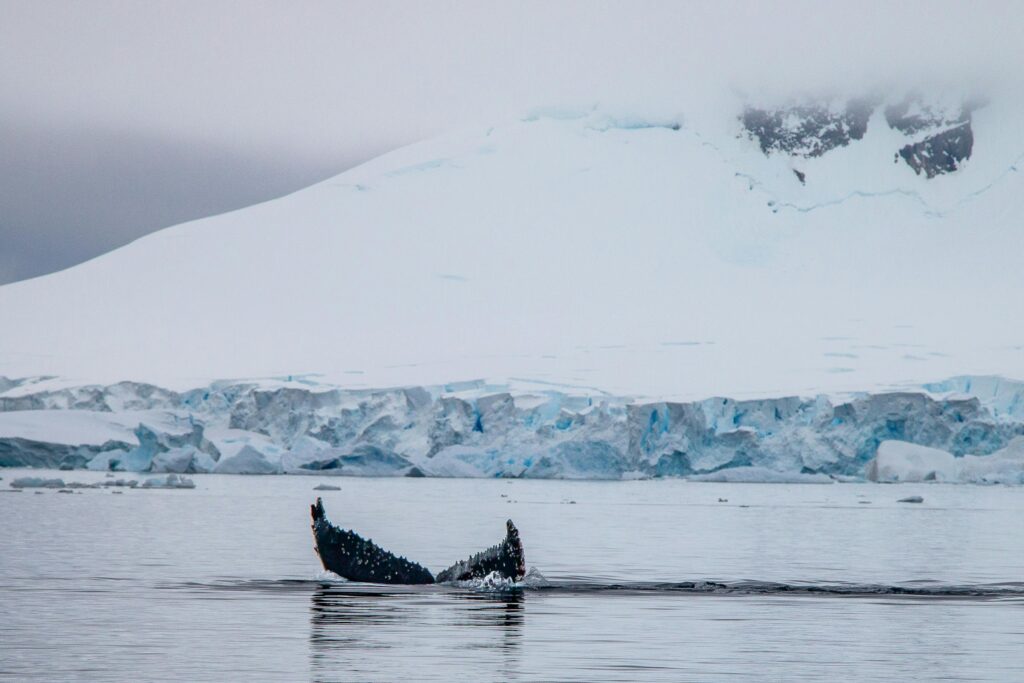
Wilhelmina Bay has earned its local nickname — “Whale-mina Bay” — entirely through reputation and repeat sightings. This wide, sheltered bay on the western side of the Peninsula is consistently one of the best locations in the entire Antarctic region for watching Humpback Whales in their natural environment. Moreover, November is prime feeding season, which means whale activity in the bay during your voyage dates is at its absolute annual peak.
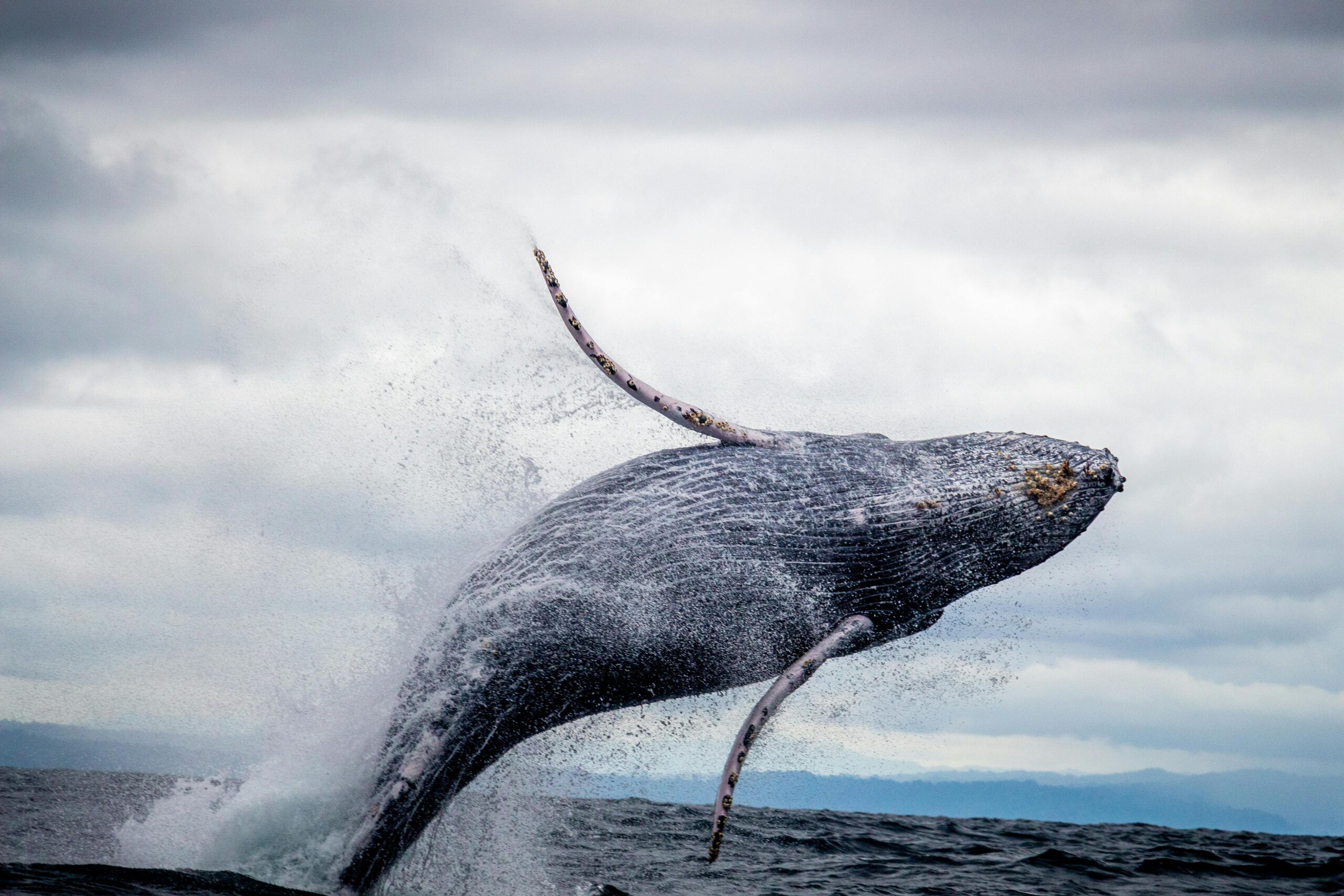
Humpback Whales travel to Antarctic waters every summer specifically to feed on the enormous krill blooms that develop here during the warmer months. In Wilhelmina Bay, the krill concentrations are particularly dense. As a result, groups of Humpbacks can often be seen feeding cooperatively — a behaviour called bubble-net feeding, in which several whales work together to corral krill into tight balls near the surface before lunging upward through them with their mouths wide open.
Watching this feeding behaviour from a Zodiac is one of the most extraordinary wildlife experiences available anywhere in the world. Because you are at water level in a quiet, low-profile inflatable craft, the whales frequently surface very close to the boat. The sound of a Humpback exhaling — a deep, resonant rush of breath — when the animal is just a few metres away is something that is felt as much as it is heard. Furthermore, full breaching behaviour, where a whale launches its entire body clear of the water, is regularly observed in the bay and creates photographic moments that are difficult to believe even as you witness them.
Additionally, Wilhelmina Bay is surrounded by some of the most dramatic glaciated scenery on the entire Peninsula. Enormous glaciers descend directly to the water’s edge on multiple sides of the bay. Consequently, the combination of whale activity, calving glaciers, and mountain scenery makes this one of the most photographically rich stops on the entire voyage — and the one that returning guests most frequently say they wish they had spent even more time at.
Brown Bluff — The Cliff at the Edge of the Continent
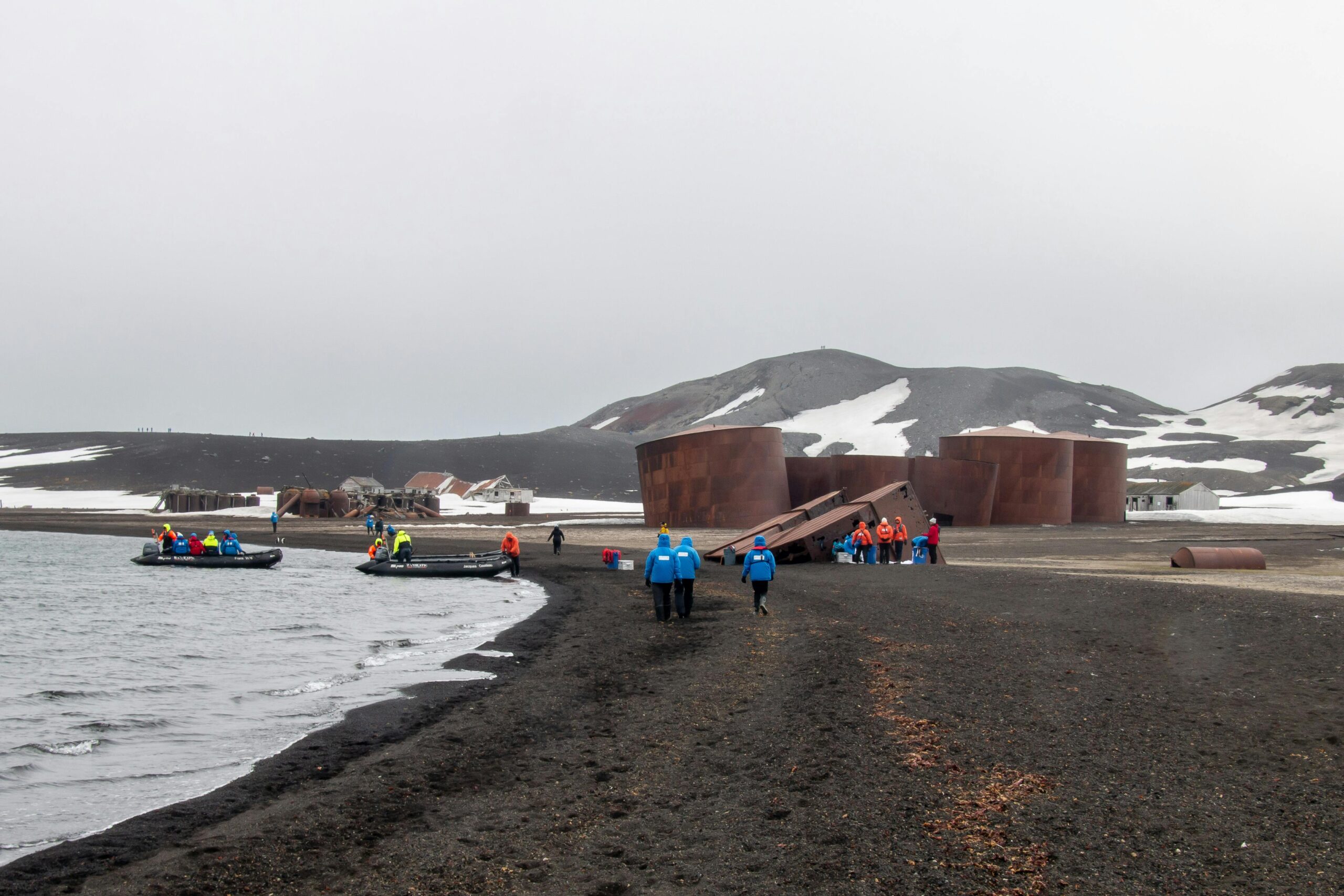
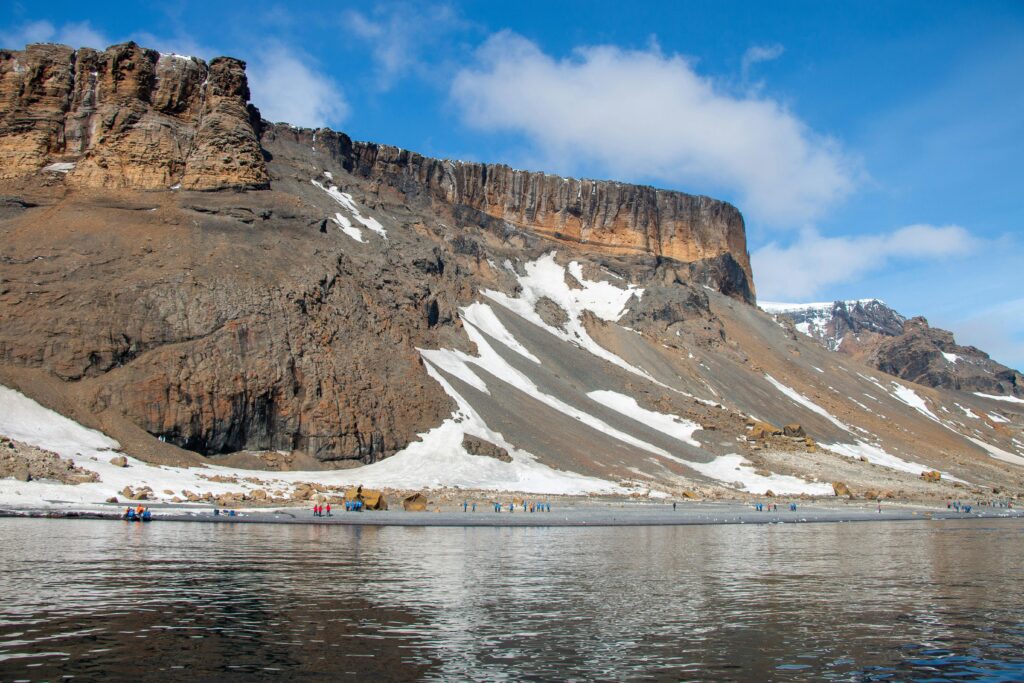
Brown Bluff is unlike any other landing site on the Antarctic Peninsula — and in fact, unlike almost anything else in Antarctica. The bluff itself is a flat-topped cliff face of rust-red and ochre volcanic rock that rises more than 745 metres from the waters of the Weddell Sea. It is one of the few places in Antarctica where sub-glacial volcanic activity has pushed directly through the ice sheet and created exposed rock formations at sea level. The dramatic colouring — caused by iron-rich basalt and volcanic tuff — makes it one of the most visually striking landing sites on the entire continent.
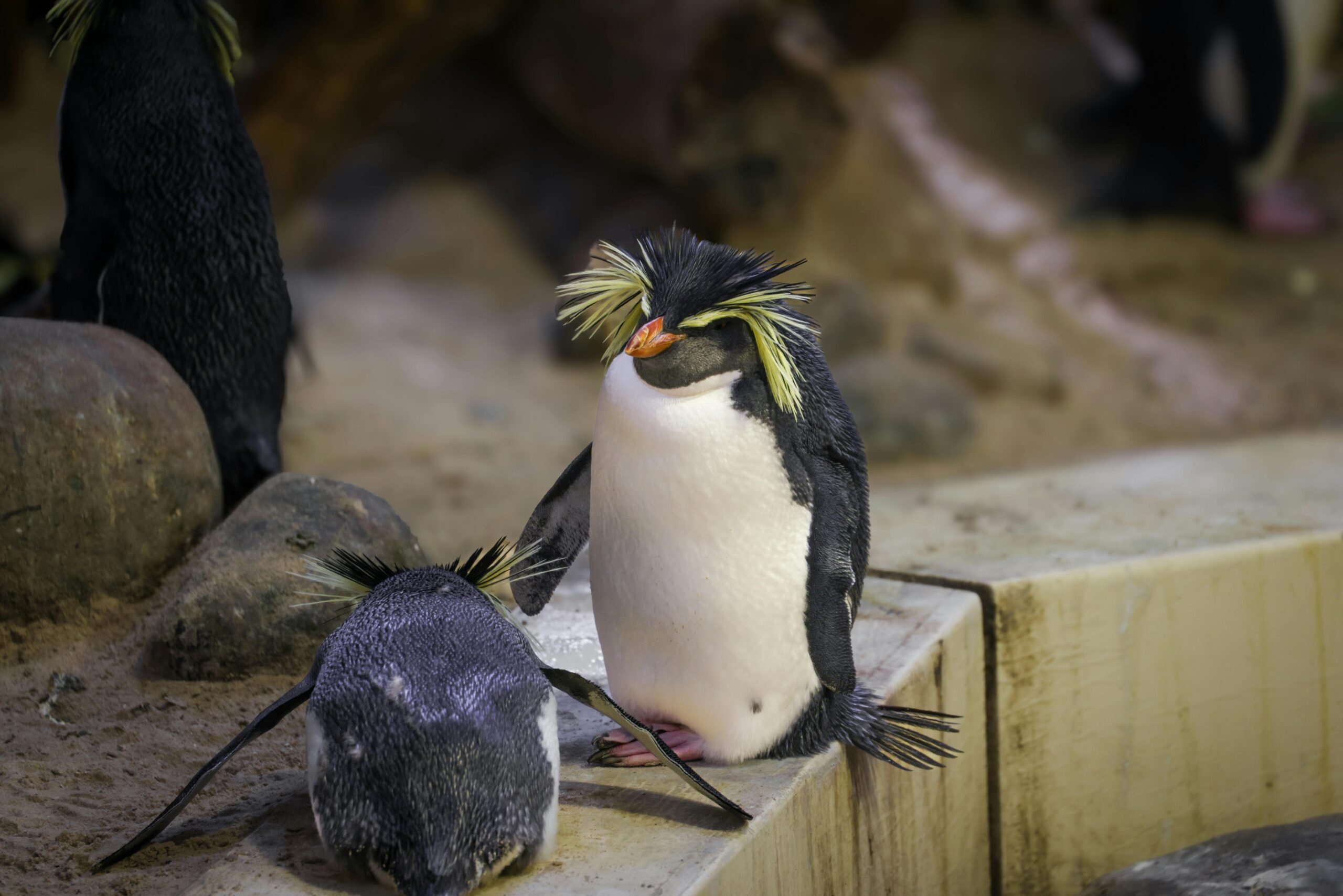
However, the geology is only one part of what makes Brown Bluff exceptional. The beach and cliff face at the base of the bluff are home to enormous colonies of Adélie Penguins — one of only two penguin species that live exclusively in Antarctica, never venturing to sub-Antarctic or temperate regions. Adélie Penguins are smaller and more energetic than Gentoos, with bold black-and-white colouring and a distinctive white ring around each eye. They are also considerably more assertive than other penguin species, and consequently, watching them interact with each other at the colony is endlessly entertaining.
In addition to Adélie Penguins, Snow Petrels and Antarctic Petrels nest in the cliff face above the beach, and their bright white forms wheel constantly against the dark volcanic rock, creating a striking visual contrast that is unique in Antarctic expedition photography. Because Brown Bluff sits at the northern tip of the Antarctic Peninsula where it meets the Weddell Sea, it also offers a genuine sense of being at the very edge of the continent. Furthermore, the enormous tabular icebergs that drift in from the Weddell Sea are among the largest you will encounter on the entire voyage, and Zodiac cruising among them delivers a scale of ice that is genuinely difficult to process.
Key Experiences:
- Towering rust-red volcanic cliff face
- Adélie Penguin colony — exclusive Antarctic species
- Snow Petrel and Antarctic Petrel nesting on the bluff
- Weddell Sea tabular iceberg Zodiac cruising
- Volcanic geology shore walk
WILDLIFE YOU WILL ACTUALLY SEE ON THE PENINSULA
The Animals You Will Actually See on the Peninsula
The Antarctic Peninsula supports some of the highest concentrations of wildlife found anywhere in the Southern Ocean. Because the Peninsula receives more sunlight than the deep interior, the marine food chain here is particularly productive — and the result is a density of animal life that surprises almost every first-time visitor.
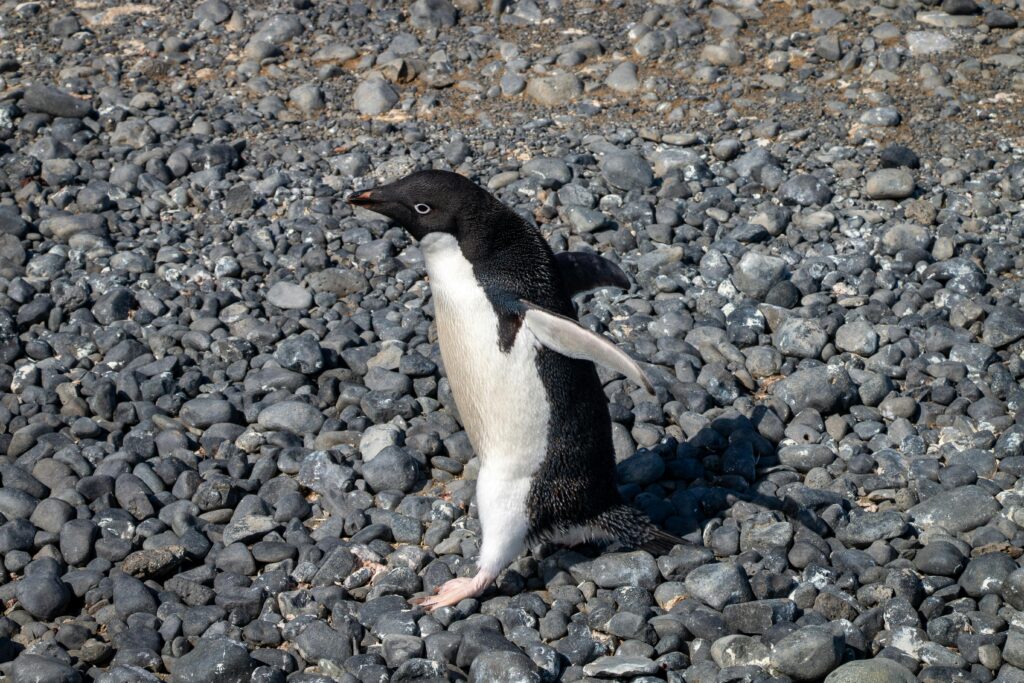
Adélie Penguin
One of only two truly Antarctic penguin species. Bold, fast, and highly social. Found in enormous numbers at Brown Bluff. Smaller than Gentoos, with a distinctive white eye-ring and a noticeably more assertive personality.
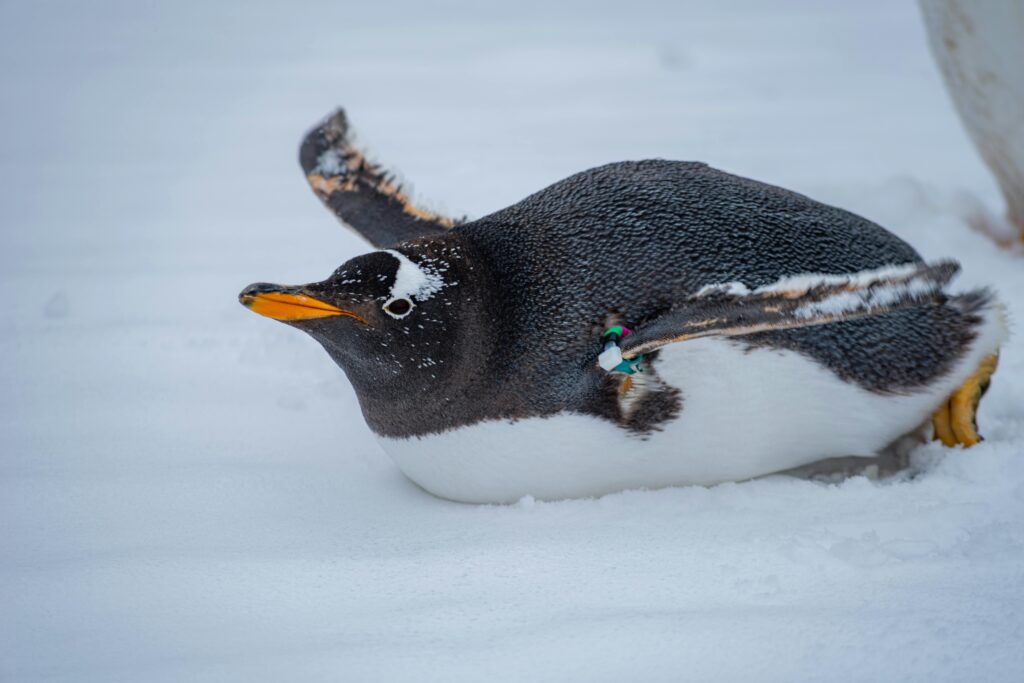
Gentoo Penguin
The fastest swimming penguin in the world. Large colonies thrive at Yankee Harbour, Aitcho Islands, and Hannah Point.
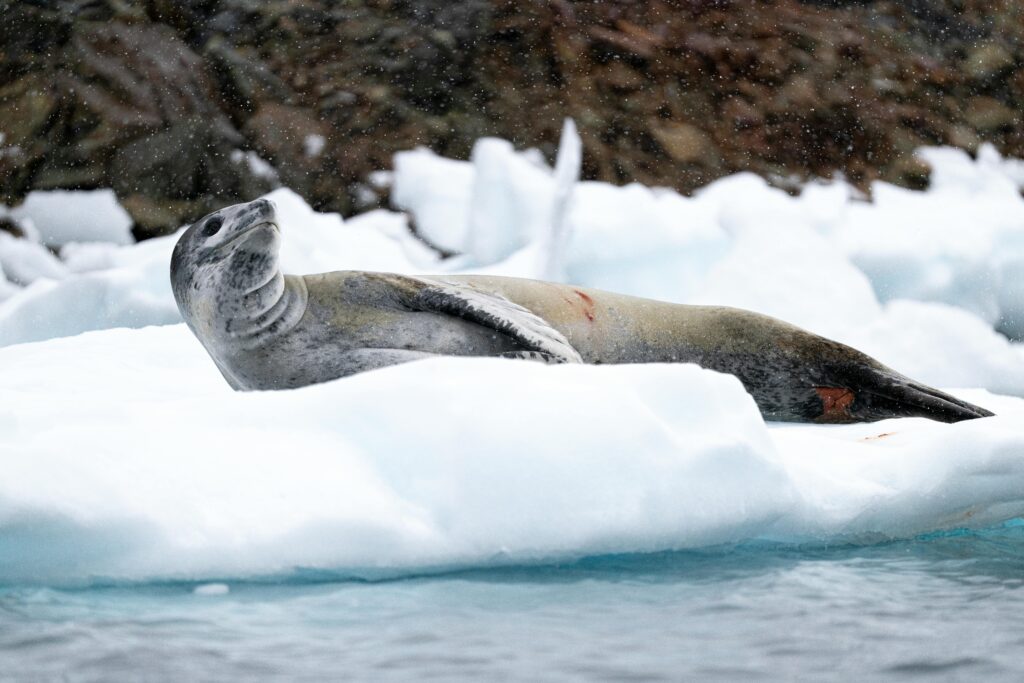
Leopard Seal
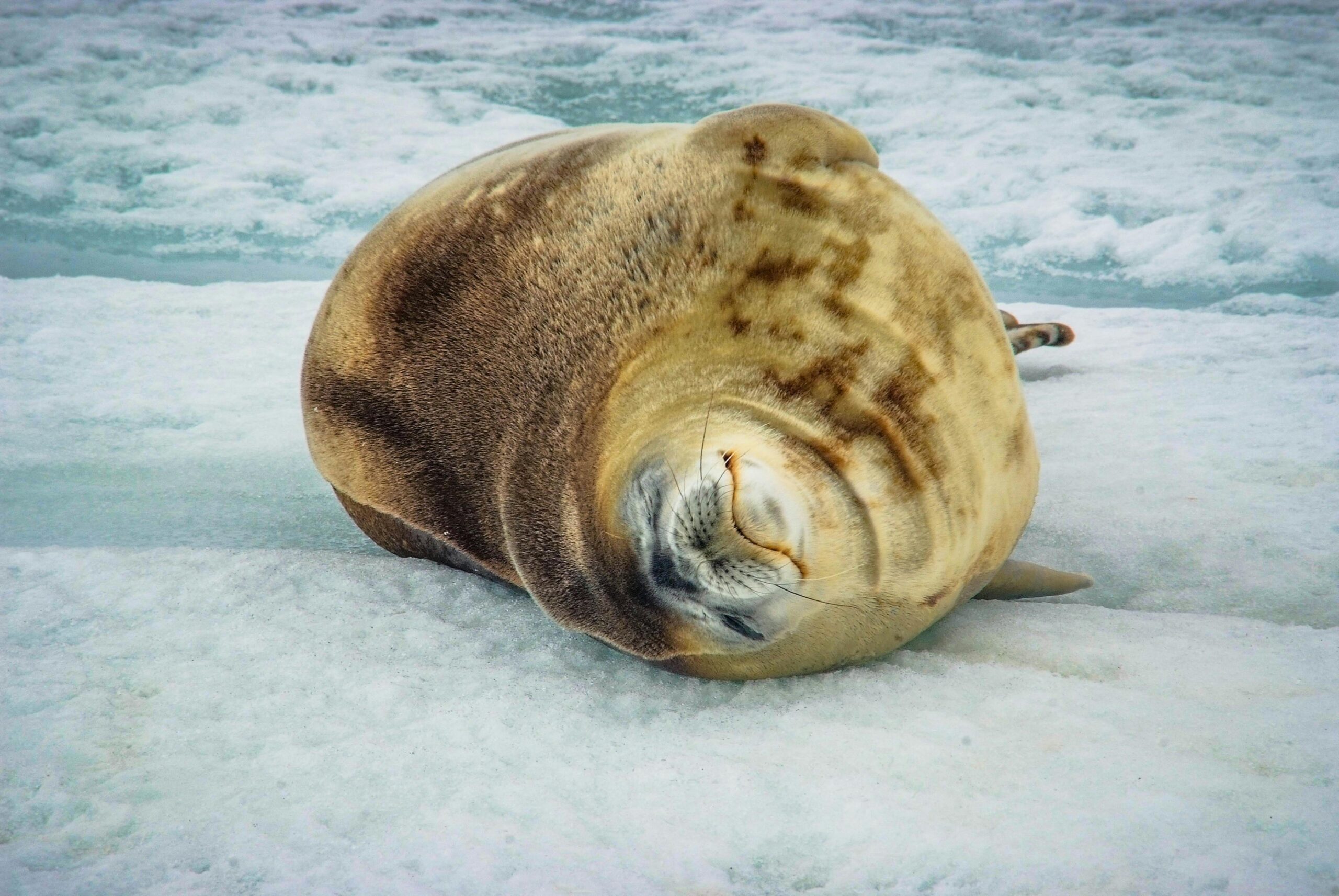
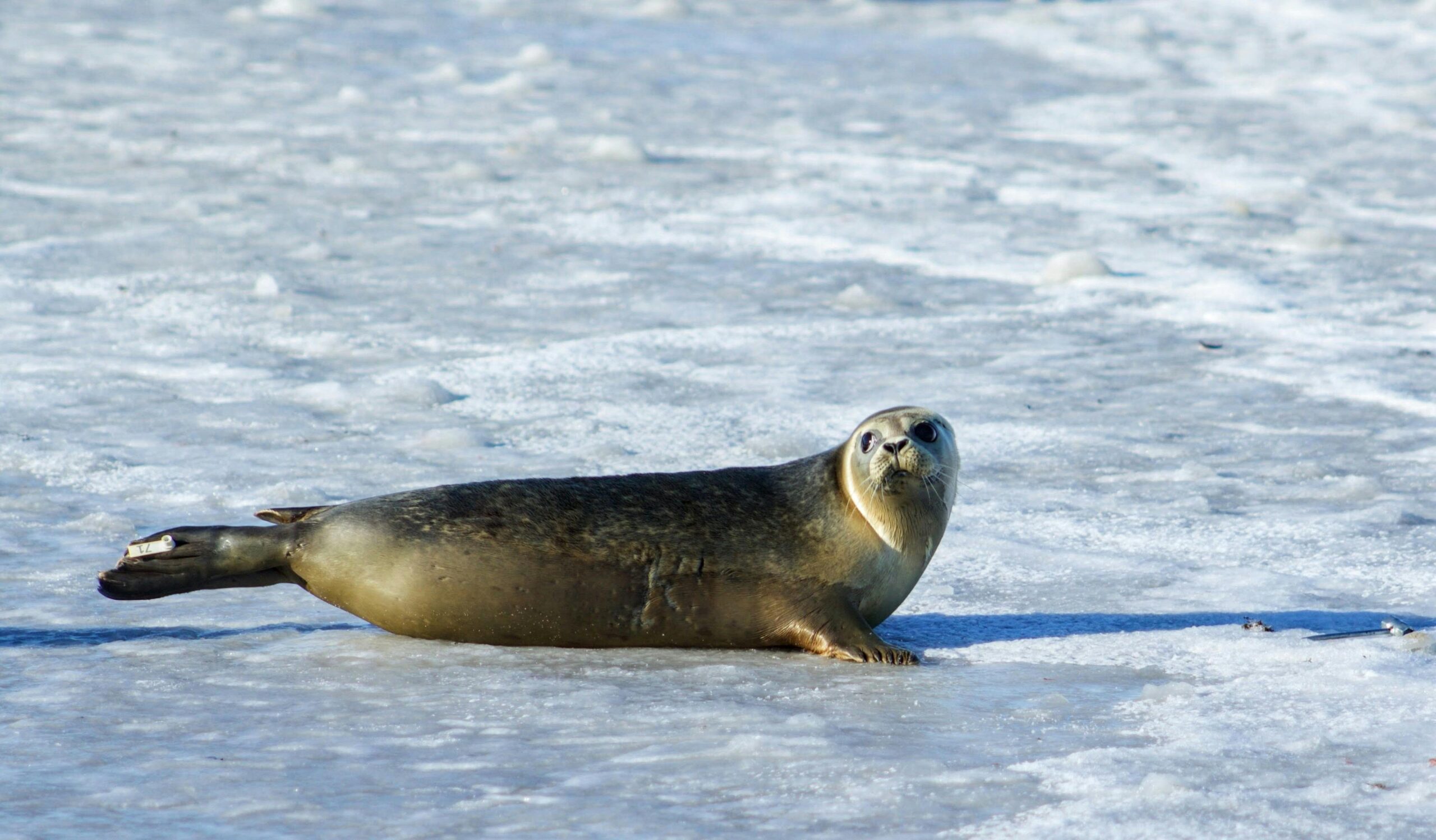
Often found resting on ice floes near penguin colonies throughout the Peninsula. The Peninsula’s apex predator, both powerful and surprisingly graceful in the water.
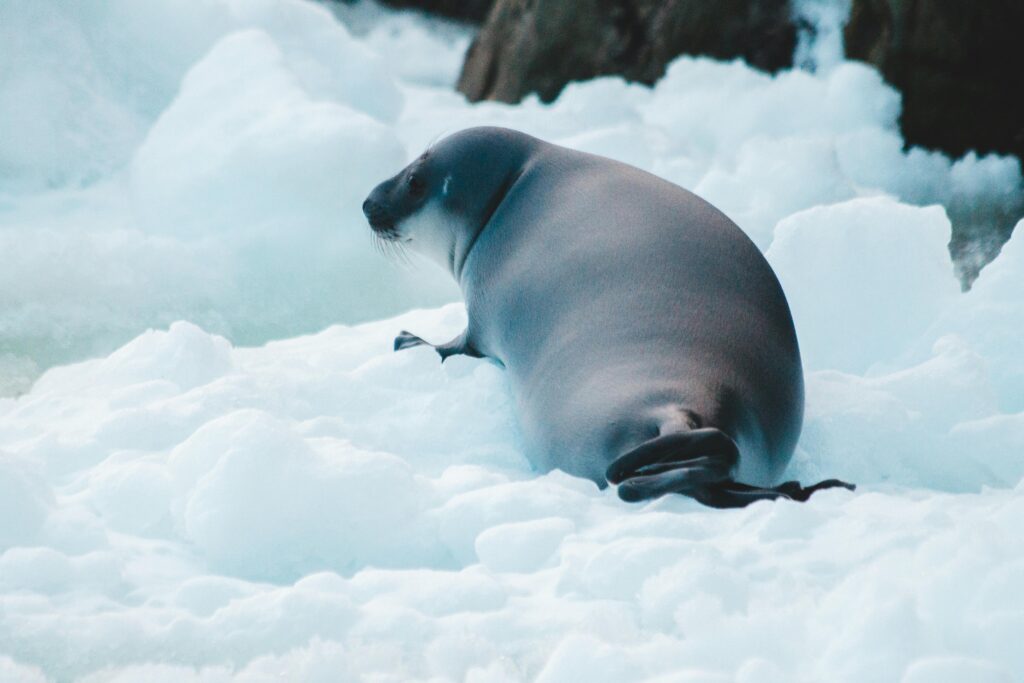
Crabeater Seal
Despite the misleading name, Crabeater Seals feed almost entirely on krill. They are the most abundant large mammal on Earth and are frequently spotted resting on pack ice near Wilhelmina Bay.
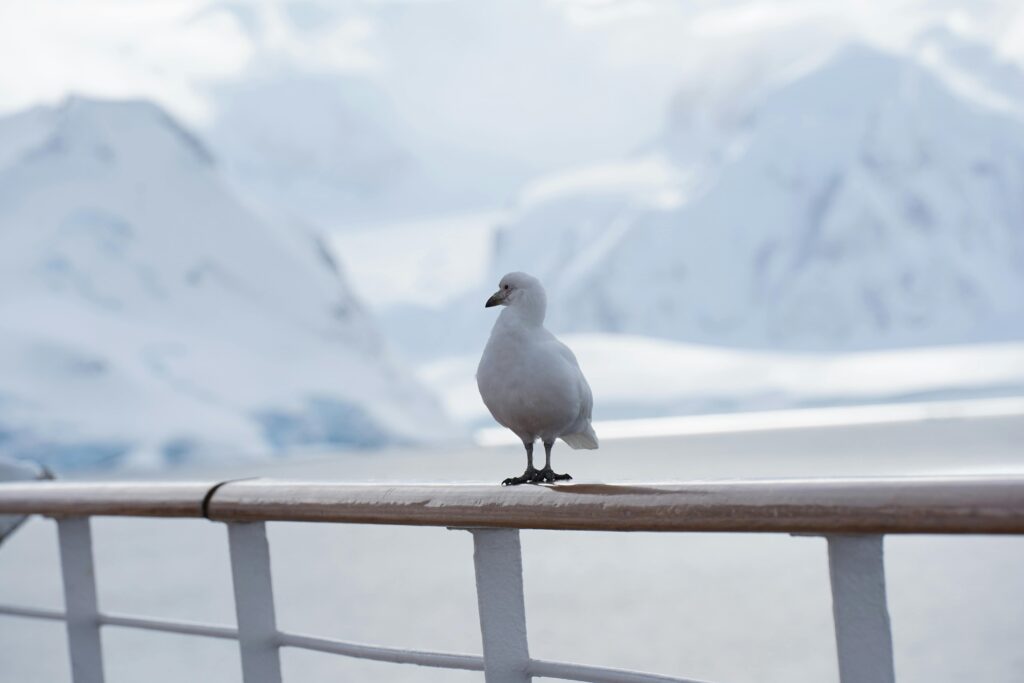
Snow Petrel
Pure white against the dark volcanic rock of Brown Bluff. Snow Petrels rarely venture north of the Antarctic Circle and are therefore a particularly special sighting for birdwatchers.
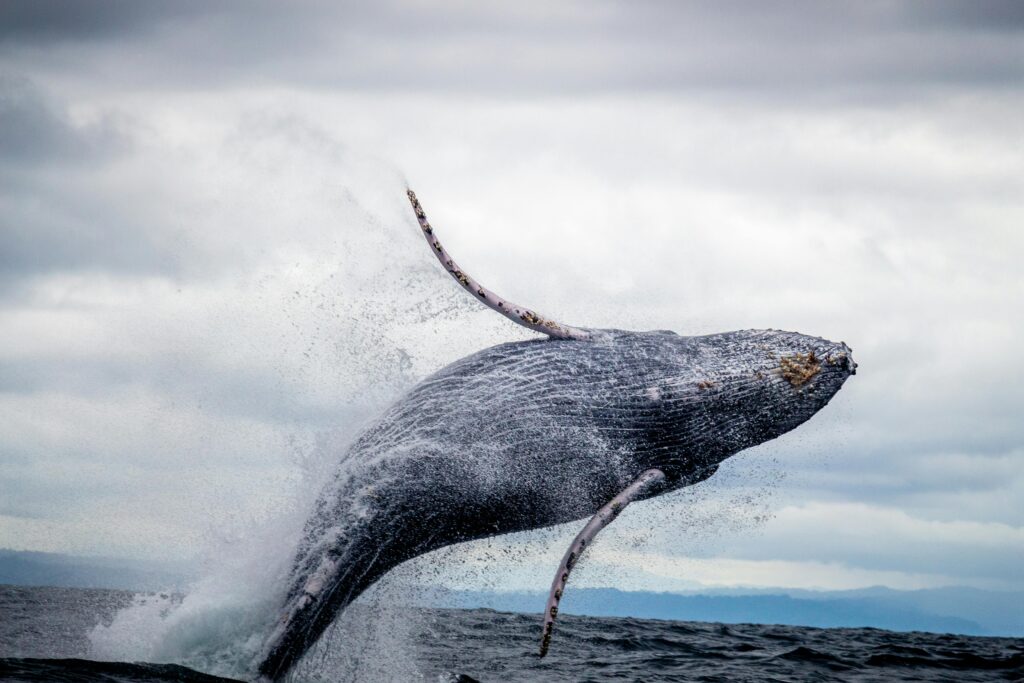
Humpback Whale
The Drake Passage and waters around the South Shetlands are prime feeding grounds. Sightings of breaching whales are common during November.
SIX REASONS THE PENINSULA IS UNMISSABLE
Six Reasons the Antarctic Peninsula Belongs on Your Bucket List
01 — You Can Stand on the Actual Continent At Neko Harbour, you step off the Zodiac onto the Antarctic landmass itself — not an island, not a research station floor, but the real continent. Very few places on a typical Antarctic expedition offer this, and it is a milestone that every traveller remembers for the rest of their life.
02 — The World’s Best Whale Watching Wilhelmina Bay in November offers bubble-net feeding, full breaching, and close Zodiac encounters with Humpback Whales that rival any marine wildlife experience anywhere on the planet. November is the peak of the krill bloom, making this the single best month to be here.
03 — The Most Spectacular Scenery in Antarctica Paradise Bay’s mountain reflections and the towering rust-coloured face of Brown Bluff represent two very different extremes of Antarctic scenery — and both are within the same four-day section of the voyage. Together, they demonstrate the extraordinary visual range of the Peninsula.
04 — Penguin Encounters at Every Scale From thousands of Adélies on Brown Bluff to the Peninsula’s largest Gentoo colony at Cuverville, the Peninsula offers more penguin diversity and sheer numbers than almost any other region on the continent. Each species has a completely different character, making every colony visit a fresh experience.
05 — Glacier and Iceberg Scale You Cannot Imagine The Neko Glacier, the Errera Channel ice floes, and the Weddell Sea tabular icebergs near Brown Bluff demonstrate Antarctic glaciation at a scale that photographs simply cannot fully capture. Standing beside them, or drifting past them in a Zodiac, creates a physical sense of scale that nothing else in the world produces.
06 — Every Landing Is Completely Different In just four days, you move from mirror-calm reflective bays to volcanic cliff faces to krill-rich whale feeding grounds. No two landings feel the same, no single day on the Peninsula is like another, and every morning you wake up not quite sure what extraordinary thing is coming next.
FAQ
Frequently Asked Questions
Neko Harbour is one of the very few sites on a Peninsula expedition where you are landing on the Antarctic continent itself — the actual landmass — rather than on an offshore island. This makes it a uniquely significant moment for most travellers, as stepping onto the continent is a distinct milestone from simply being in Antarctic waters or visiting surrounding islands. The Neko Glacier calving face, which rises dramatically behind the beach, adds further weight to what is already one of the voyage’s most memorable landings. Very few people leave Neko Harbour without a profound sense of having arrived somewhere genuinely historic.
Wilhelmina Bay is consistently one of the most productive Humpback Whale viewing locations in Antarctica during the summer season. While wildlife sightings can never be guaranteed in any natural environment, Humpback Whales are reported on the vast majority of November departures that include Wilhelmina Bay as a stop. The bay’s krill productivity is particularly high in early summer — precisely the period your voyage covers — which is the core reason our November 15 departure date is timed as it is. Your expedition team will also monitor whale activity in real time as you approach the bay to maximise your viewing time.
Yes, and Zodiac cruising in Paradise Bay is specifically designed with photography in mind. Guides position the Zodiac to face the mountains and their reflections, and the low, stable platform of the inflatable boat provides an excellent shooting angle without the height distortion of a ship’s deck. Early morning and late evening light in November — when the sun stays very low and golden on the horizon for extended periods — produces some of the most dramatic photography conditions available anywhere in the world. Wide-angle lenses for the full panorama and a telephoto for glacier detail are both worth carrying on the Zodiac.
Gallery
Highlights of South Shetland Islands