
Author name: Ishali Heman

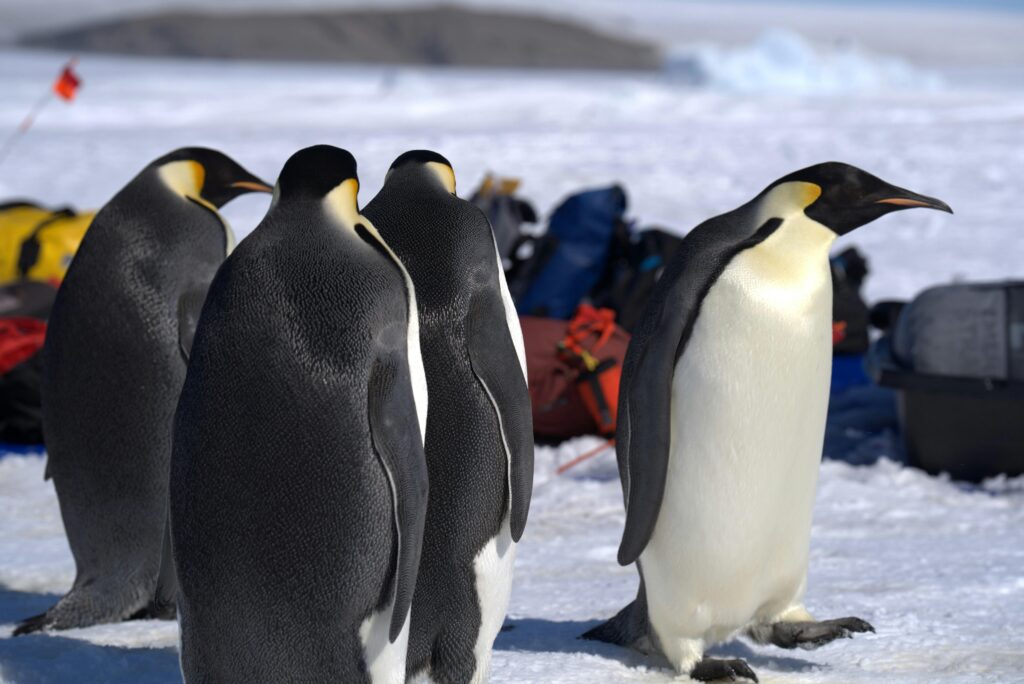
Emperor Penguin
Destinations

The Iconic Channels & Passages

The Iconic Channels & Passages of Antarctica The Iconic Channels & Passages of Antarctica: Drake, Lemaire, Neumayer & Antarctic Sound — A Journey Through the World’s Most Dramatic Waterways Sail through Antarctica’s most legendary waterways — brave the Drake Passage, photograph Lemaire Channel’s mirror-perfect cliffs, drift through Neumayer Channel’s mountain scenery, and navigate Antarctic Sound’s cathedral icebergs. Pricing Plan Basic Pack Individual Plan $ 159 99 /Per Person Free beer, standard wines, spirits and cocktails during bar service hours and dinner. All meals, snacks, soft drinks and juices on board throughout your voyage. Leadership throughout the voyage by experienced Expedition Team. All Zodiac transfers and cruising as per the daily program. Shipboard accommodation with daily housekeeping. View Details WHY ANTARCTICA’S WATERWAYS MATTER The Journey Between the Landings Is Just as Extraordinary as the Landings Themselves On most travel itineraries, the time spent moving between destinations is simply dead time — something to be tolerated before the next experience begins. Antarctica is completely different. On our 11-day Antarctic Explorer voyage, every nautical mile you cover tells a story. Moreover, some of the most powerful and memorable moments of the entire expedition happen not on shore, but on the water — in the channels, the passages, and the sounds that connect the continent’s most extraordinary places. This is because Antarctica’s waterways are not simply routes. They are environments in themselves. The Drake Passage is one of the most storied stretches of ocean in the history of exploration. The Lemaire Channel is so narrow and so perfectly framed by cliff and glacier that photographers describe it as one of the greatest natural compositions they have ever seen. The Neumayer Channel winds between mountain peaks so dramatic that guests regularly describe sailing through it as the closest thing to moving inside a painting. And the Antarctic Sound is not a channel at all in the conventional sense — it is a floating gallery of the largest icebergs on Earth, drifting slowly through the water in every direction. Together, these four waterways frame and connect every shore landing on the voyage. In addition, they provide continuous wildlife opportunities throughout the transit — Humpback Whales surface alongside the bow, Antarctic Petrels and Cape Petrels wheel above the wake, and Leopard Seals rest on passing ice floes with complete indifference to the ship. Therefore, there is no such thing as a quiet transit day on this voyage. Every hour on the water brings something worth stopping for. THE FOUR WATERWAYS Four Waterways. Four Completely Different Worlds. Each of the four passages and channels on this voyage has its own character, its own history, and its own way of making you feel genuinely small — in the most extraordinary sense of the word. The Drake Passage — The Crossing That Makes You an Explorer Tag: Rite of Passage The Drake Passage is, without question, the most famous stretch of open ocean in the world. It lies between Cape Horn at the southern tip of South America and the South Shetland Islands at the northern edge of Antarctica — a gap of approximately 800 kilometres of unobstructed Southern Ocean. Because there is no land anywhere in this latitude band to slow or redirect the Antarctic Circumpolar Current, the Drake Passage carries more water than any other ocean passage on Earth. Furthermore, the winds that funnel through it can reach extraordinary speeds, producing swells that have humbled ships and sailors for centuries. Every traveller who has ever reached Antarctica by sea has crossed the Drake Passage. In this sense, it is a rite of passage in the most literal meaning of the phrase. Among expedition travellers, the crossing has a well-known distinction: a calm crossing — with relatively flat seas and light winds — is called a “Drake Lake,” while a rough crossing with heavy swells and rolling waves is called a “Drake Shake.” In either case, your polar-class, stabilized vessel is fully equipped to handle whatever the Southern Ocean offers. Modern stabilizer technology means that even on rougher crossings, the ship remains comfortable, and the onboard medical team is always available. However, the Drake Passage is far more than simply something to get through. The two days crossing it southbound are filled with expert presentations by your onboard expedition team — lectures on the history of Antarctic exploration, the science of glaciology, the ecology of Southern Ocean wildlife, and the geology of the Peninsula. Consequently, by the time the first iceberg appears on the horizon and the lookout calls it out over the ship’s intercom, you are already fully prepared to understand exactly what you are seeing and why it matters. Additionally, the Drake Passage itself is alive with wildlife. Cape Petrels, Wandering Albatrosses, Black-browed Albatrosses, and Giant Petrels all follow the ship throughout the crossing, riding the thermals created by the vessel’s movement with effortless precision. Spotting and identifying these birds from the deck — guided by your expedition ornithologists — is a genuine and absorbing activity that occupies many guests for hours at a time. Therefore, the Drake Passage is not dead time. It is the beginning of the expedition — and for many guests, the moment they first truly understand where they are going. Key Experiences: Open Southern Ocean crossing by polar-class vessel Drake Lake or Drake Shake — every crossing is different Expert onboard lectures on glaciology, history and wildlife Wandering Albatross and Cape Petrel seabird watching from the deck First iceberg sighting — one of the voyage’s most anticipated moments Crossing into the Antarctic Convergence zone Key Experiences: Transit through one of Antarctica’s narrowest channels Perfect mirror-image glacier and cliff reflections Deck photography of the full 11-kilometre passage Leopard Seal and Crabeater Seal sightings on ice floes Humpback Whale encounters inside the channel Optional Zodiac cruising at water level within the channel Glacier calving sights and sounds Lemaire Channel — The Most Photographed Place in Antarctica The Lemaire Channel has a nickname that it has carried for decades among Antarctic expedition travellers: Kodak
Destinations

The Antarctic Peninsula

The Antarctic Peninsula The Antarctic Peninsula: Step onto the Mainland, Walk with Adélie Penguins & Witness Whale Feeding Frenzies Discover the Antarctic Peninsula—stand on the actual continent at Neko Harbour, see the largest Gentoo Penguin colony at Cuverville Island, and watch Humpback Whales feed in Wilhelmina Bay. Pricing Plan Basic Pack Individual Plan $ 159 99 /Per Person Free beer, standard wines, spirits and cocktails during bar service hours and dinner. All meals, snacks, soft drinks and juices on board throughout your voyage. Leadership throughout the voyage by experienced Expedition Team. All Zodiac transfers and cruising as per the daily program. Shipboard accommodation with daily housekeeping. View Details The Antarctic Peninsula Where the Continent Finally Reveals Itself The Antarctic Peninsula stretches northward from the main continent like a pointing finger, reaching toward the tip of South America. Because of this position, it is the most accessible part of Antarctica — and yet it remains one of the most dramatic and unspoiled places on the entire planet. Furthermore, it is the only part of Antarctica where expedition tourists can actually step onto the continental landmass itself, rather than onto islands offshore. On our 11-day Antarctic Explorer voyage, Days 5 through 8 are dedicated entirely to exploring five extraordinary sites along the Peninsula. Each one is completely different from the last. Consequently, you move from glassy mountain-reflected bays to thundering penguin colonies, from world-class whale watching to towering volcanic cliffs. Together, these five stops paint a full and vivid picture of what Antarctica truly is. Because the Peninsula receives slightly more sunlight than the deep interior of the continent, it also supports a richer and more visible ecosystem. In other words, this is where you will see the highest concentration of Antarctic wildlife on the entire voyage. Humpback Whales, Adélie Penguins, Gentoo Penguins, Snow Petrels, Leopard Seals, and Crabeater Seals are all regularly encountered here. Moreover, the scenery — enormous glaciers, impossibly blue icebergs, and mountain peaks reflected in perfectly still water — is consistently described by returning travellers as the most beautiful they have ever seen. Every shore landing on the Peninsula is led by our experienced expedition team, who ensure every visitor understands the significance of what they are witnessing. Additionally, Zodiac cruising and optional kayaking bring you even closer to the ice, the wildlife, and the water. Therefore, whether you are a seasoned adventurer or a first-time polar traveller, the Antarctic Peninsula delivers an experience that is simply impossible to replicate anywhere else on Earth. FIVE SITES. ONE CONTINENT. ZERO CROWDS. Five Sites. One Continent. Zero Crowds. Each stop on the Antarctic Peninsula offers something entirely different from the last. Together, they cover the full spectrum of what makes this region the most sought-after polar destination in the world. Paradise Bay — The Reflection That Stops Time Tag: Most Photographed Site Living entirely up to its name, Paradise Bay is the kind of place that makes experienced travellers go completely silent the moment they first see it. The bay is surrounded on all sides by glaciated mountain peaks, and on calm days — which are more common here than most people expect — those peaks reflect in the still, dark water with such clarity that it becomes difficult to tell where the ice ends and the sky begins. Living entirely up to its name, Paradise Bay is the kind of place that makes experienced travellers go completely silent the moment they first see it. The bay is surrounded on all sides by glaciated mountain peaks, and on calm days — which are more common here than most people expect — those peaks reflect in the still, dark water with such clarity that it becomes difficult to tell where the ice ends and the sky begins. Paradise Bay sits on the western side of the Antarctic Peninsula and is one of the most sheltered anchorages in the entire region. As a result, Zodiac cruising here is an exceptional experience. You glide slowly between cathedral-sized icebergs that glow in shades of deep blue and white, listening to the distant crack of glaciers calving into the sea. Because there is very little wind in the sheltered interior of the bay, the silence is extraordinary — the kind of silence that feels almost physically present. In addition to its scenery, Paradise Bay is home to the Argentine Almirante Brown research station, which is occasionally open for visits. The station sits at the base of a steep snow slope that guests can ascend with expedition team members, offering panoramic views over the entire bay and surrounding peaks. Furthermore, the hike up gives you a perspective on the scale of Antarctic glaciation that is very difficult to grasp from sea level alone. Whether you choose to hike, cruise by Zodiac, or simply stand on the shore and absorb the silence, Paradise Bay consistently ranks as one of the most emotionally powerful moments of the entire voyage. Key Experiences: Perfect mountain reflections in still water Zodiac cruising among cathedral icebergs Argentine Almirante Brown research station Snow slope panorama hike Glacier calving viewpoints Key Experiences: Step onto the Antarctic continent itself Neko Glacier calving face Gentoo Penguin colony on continental soil Snow slope panoramic views Zodiac cruising among ice floes Neko Harbour — Your First Step on the Continent Of all the landings on an Antarctic expedition, very few carry the same emotional weight as Neko Harbour. This is because Neko Harbour is one of only a handful of sites where visitors can walk directly onto the Antarctic continent itself — the actual landmass, not an offshore island. The moment your boots touch the gravel beach and you look up at the glacier wall rising behind you, the realisation hits: you are standing on the 7th Continent. The harbour is dominated by the Neko Glacier, a massive wall of ancient ice that rises directly from the shoreline and towers above the landing beach. Pieces of this glacier calve regularly into the water, sending small waves rolling

Destinations

The South Shetland Islands

The South Shetland Islands South Shetland Islands: Antarctica’s Gateway to Penguins, Volcanoes & Wild Shores Explore the South Shetland Islands — sail into Deception Island’s active volcano, walk beside Chinstrap Penguins on Half Moon Island, and spot Elephant Seals at Hannah Point. Book your 11-day Antarctic Explorer voyage. Pricing Plan Basic Pack Individual Plan $ 159 99 /Per Person Free beer, standard wines, spirits and cocktails during bar service hours and dinner. All meals, snacks, soft drinks and juices on board throughout your voyage. Leadership throughout the voyage by experienced Expedition Team. All Zodiac transfers and cruising as per the daily program. Shipboard accommodation with daily housekeeping. View Details THE GATEWAY ARCHIPELAGO Where the Antarctic Journey Really Begins The South Shetland Islands sit just 160 kilometres north of the Antarctic Peninsula. As a result, they are the very first land you see after crossing the legendary Drake Passage. These remote islands are not just a stopover, however. They are a destination in their own right — packed with active volcanoes, record-breaking penguin colonies, flowering mosses, and some of the most dramatic coastal scenery on Earth. Because the islands are relatively accessible by Antarctic standards, they give first-time expedition travellers a chance to experience true polar wilderness without the need for an extended deep-ice journey. In other words, if this is your first time stepping foot on the 7th Continent, the South Shetlands are where that unforgettable moment will happen. On our classic 11-day Antarctic Explorer voyage, you spend four full days exploring this extraordinary archipelago — arriving by Zodiac inflatable craft, walking on volcanic black-sand beaches, and standing face-to-face with wildlife that has never learned to fear humans. Every shore landing is led by certified polar experts, so you always know exactly what you are looking at and why it matters. Whether you are hiking across the rim of a dormant caldera, watching a Chinstrap Penguin colony in full vocal uproar, or simply sitting quietly as a Weddell Seal sleeps at your feet, the South Shetland Islands deliver moments that stay with you forever. EXPLORE THE FIVE ISLANDS Five Islands. Five Unforgettable Experiences. Each island in the archipelago has its own character. Together, they offer a complete picture of Antarctic wilderness — from volcanic geology to mega-colonies of wildlife. Deception Island — The Active Volcano You Can Sail Into Deception Island is one of the most extraordinary places on the planet — and it is also one of the most unexpected. This island is actually the collapsed caldera of an active volcano. Because the sea has broken through one side, ships can sail directly into the heart of the crater through a narrow channel called Neptune’s Bellows. Once inside, you find yourself in a perfectly sheltered bay with dramatic volcanic cliffs rising on all sides. The beaches here are made of black volcanic sand, which is warm just a few centimetres below the surface due to residual geothermal heat. Visitors can even bathe in natural warm springs at the shore’s edge. Furthermore, the island holds the ruins of an old Norwegian whaling station, adding a haunting layer of human history to an already otherworldly landscape. Key Experiences: Sail inside a volcanic caldera Black sand beach hiking Geothermal warm springs Historic whaling station ruins Chilean & British Antarctic bases Half Moon Island — The Penguin Crescent True to its name, Half Moon Island curves in a perfect crescent around a sheltered bay. The island is home to one of the largest Chinstrap Penguin colonies in the entire South Shetland chain. These energetic, noisy birds — named for the thin black line under their chins — are found here in the thousands, and their calls fill the air the moment you step ashore. In addition to penguins, Weddell Seals often rest along the beach, entirely untroubled by the presence of visitors. The Argentine Cámara Station, an Antarctic research base, also sits on the island and is occasionally open for visits. Key Experiences: Chinstrap Penguin mega-colony Weddell Seal encounters Crescent bay photography Aitcho Islands — Where Penguins Build Highways The Aitcho Islands are famous among Antarctic naturalists for two things. First, the well-worn paths that penguins use to travel across the island — called “penguin highways” — are so established that they look almost like intentionally built walkways. Second, the islands are covered in vivid Antarctic mosses and lichens that create a rich tapestry of greens, oranges, and yellows against the snow and rock. This colourful groundcover is in fact one of the most biodiverse environments in the entire region. Both Gentoo and Chinstrap Penguins breed here, and encounters are often wonderfully close. Key Experiences: Penguin highway trails Antarctic moss carpets Gentoo & Chinstrap Penguins Livingston Island — Hannah Point Hannah Point on Livingston Island is widely regarded as one of the best wildlife-watching sites in the entire Antarctic region. Enormous Southern Elephant Seals haul themselves up onto the beach in large numbers, and their sheer size — males can weigh up to 2,200 kg — is jaw-dropping to witness up close. Additionally, this is one of the very few places in Antarctica where you can reliably find Macaroni Penguins, recognised by their flamboyant golden crest feathers. Gentoo and Chinstrap Penguins also breed here, making Hannah Point a genuine multi-species destination in a single shore landing. Key Experiences: Southern Elephant Seals Macaroni Penguins Gentoo & Chinstrap Penguins Yankee Harbor—History on the Shore Yankee Harbour is named after the American sealers who used this sheltered bay as a base in the early 19th century. Today, it is a calm and accessible landing site with a long, flat “spit” — a narrow stretch of land reaching into the harbour — that makes it ideal for leisurely walks in any weather. A large colony of Gentoo Penguins nests here, and because the terrain is gentle, this landing is perfect for all fitness levels. The harbour’s calm waters also make it a favourite spot for Zodiac cruising, where you can glide quietly between ice floes while

Scroll to Top