The South Shetland Islands
South Shetland Islands: Antarctica's Gateway to Penguins, Volcanoes & Wild Shores
Explore the South Shetland Islands — sail into Deception Island’s active volcano, walk beside Chinstrap Penguins on Half Moon Island, and spot Elephant Seals at Hannah Point. Book your 11-day Antarctic Explorer voyage.
Pricing Plan
Basic Pack
Individual Plan
$
159
99
/Per Person
Free beer, standard wines, spirits and cocktails during bar service hours and dinner.
All meals, snacks, soft drinks and juices on board throughout your voyage.
Leadership throughout the voyage by experienced Expedition Team.
All Zodiac transfers and cruising as per the daily program.
Shipboard accommodation with daily housekeeping.
THE GATEWAY ARCHIPELAGO
Where the Antarctic Journey Really Begins
The South Shetland Islands sit just 160 kilometres north of the Antarctic Peninsula. As a result, they are the very first land you see after crossing the legendary Drake Passage. These remote islands are not just a stopover, however. They are a destination in their own right — packed with active volcanoes, record-breaking penguin colonies, flowering mosses, and some of the most dramatic coastal scenery on Earth.
Because the islands are relatively accessible by Antarctic standards, they give first-time expedition travellers a chance to experience true polar wilderness without the need for an extended deep-ice journey. In other words, if this is your first time stepping foot on the 7th Continent, the South Shetlands are where that unforgettable moment will happen.
On our classic 11-day Antarctic Explorer voyage, you spend four full days exploring this extraordinary archipelago — arriving by Zodiac inflatable craft, walking on volcanic black-sand beaches, and standing face-to-face with wildlife that has never learned to fear humans. Every shore landing is led by certified polar experts, so you always know exactly what you are looking at and why it matters.
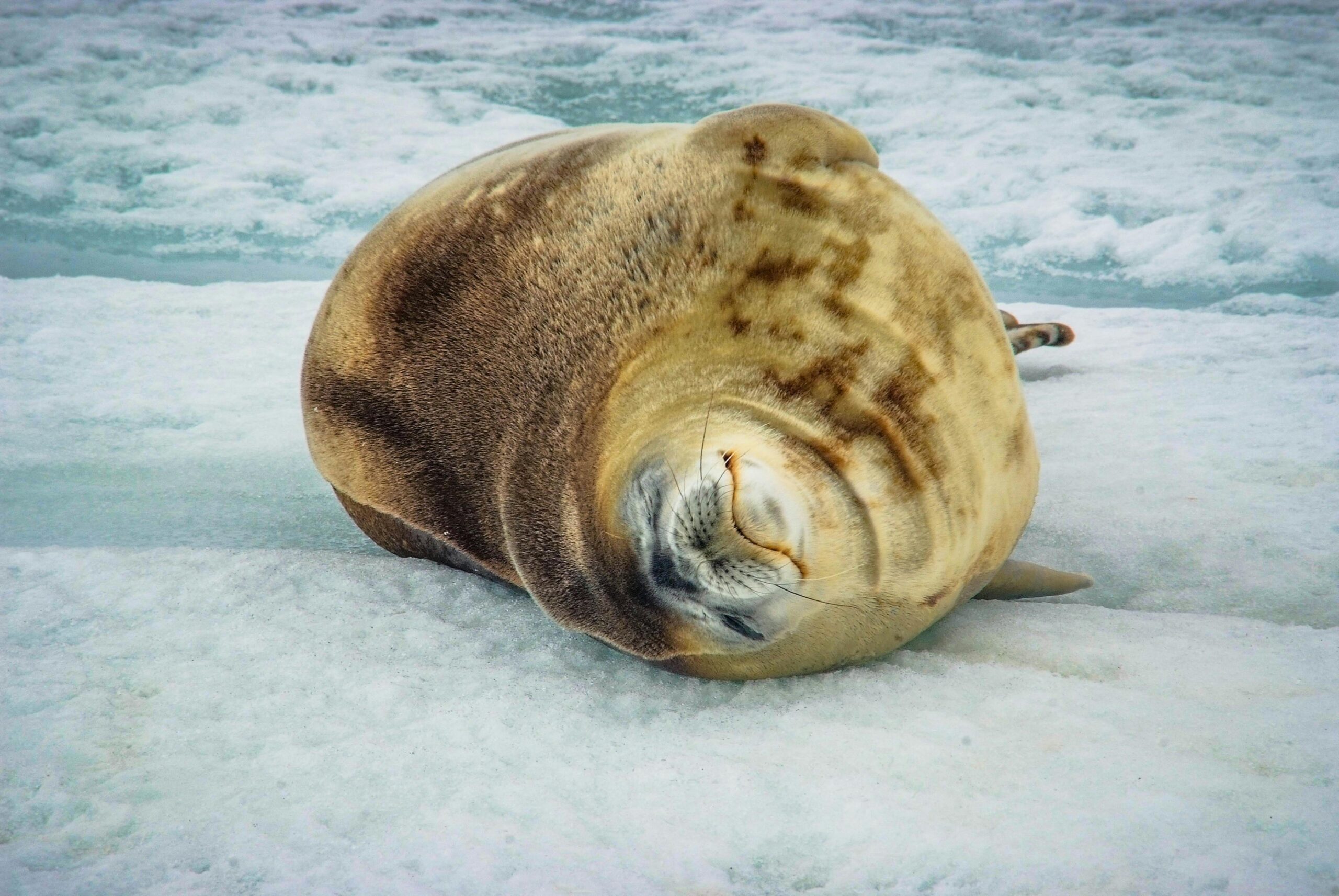
Whether you are hiking across the rim of a dormant caldera, watching a Chinstrap Penguin colony in full vocal uproar, or simply sitting quietly as a Weddell Seal sleeps at your feet, the South Shetland Islands deliver moments that stay with you forever.
EXPLORE THE FIVE ISLANDS
Five Islands. Five Unforgettable Experiences.
Each island in the archipelago has its own character. Together, they offer a complete picture of Antarctic wilderness — from volcanic geology to mega-colonies of wildlife.
Deception Island — The Active Volcano You Can Sail Into
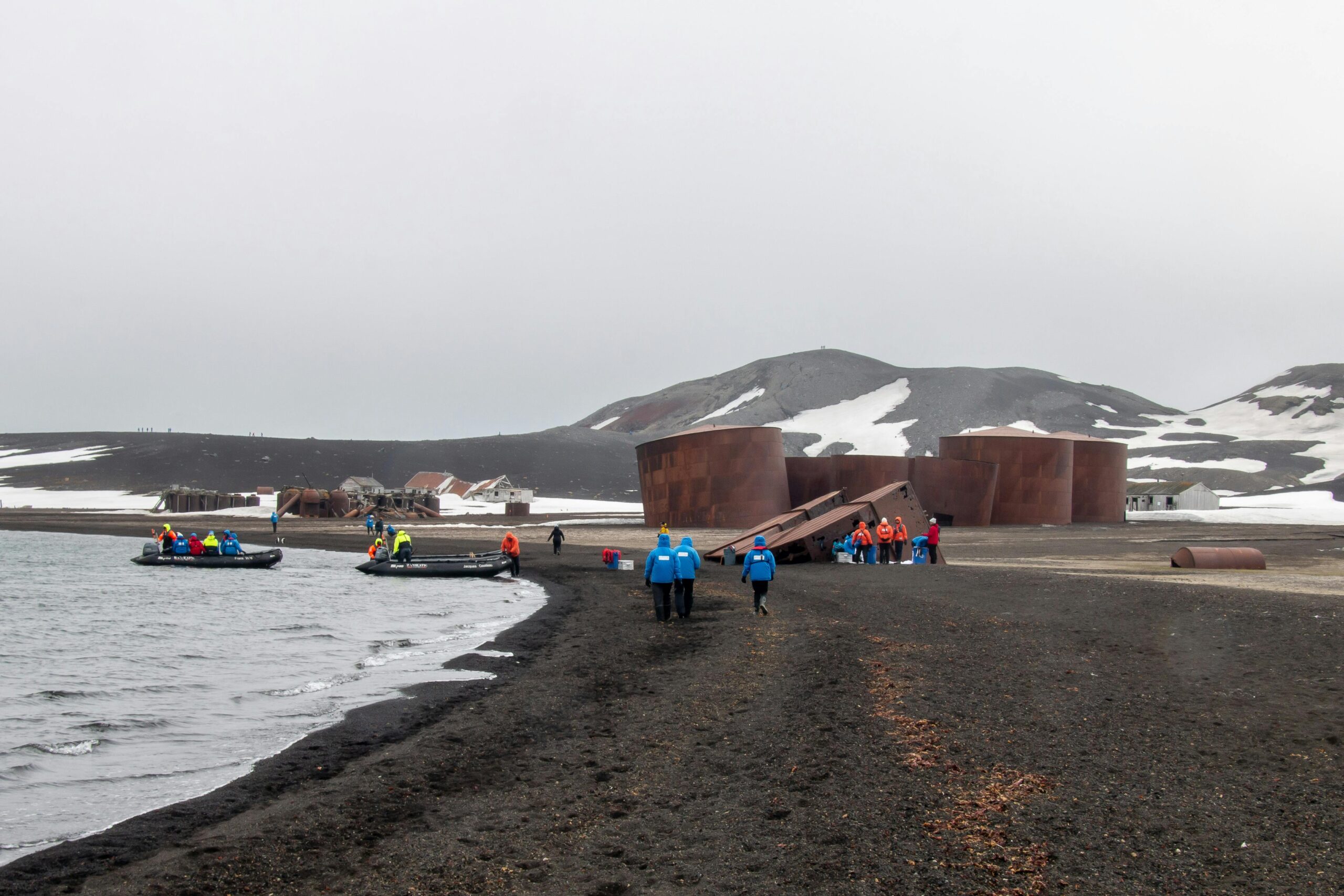
Deception Island is one of the most extraordinary places on the planet — and it is also one of the most unexpected. This island is actually the collapsed caldera of an active volcano. Because the sea has broken through one side, ships can sail directly into the heart of the crater through a narrow channel called Neptune’s Bellows. Once inside, you find yourself in a perfectly sheltered bay with dramatic volcanic cliffs rising on all sides.
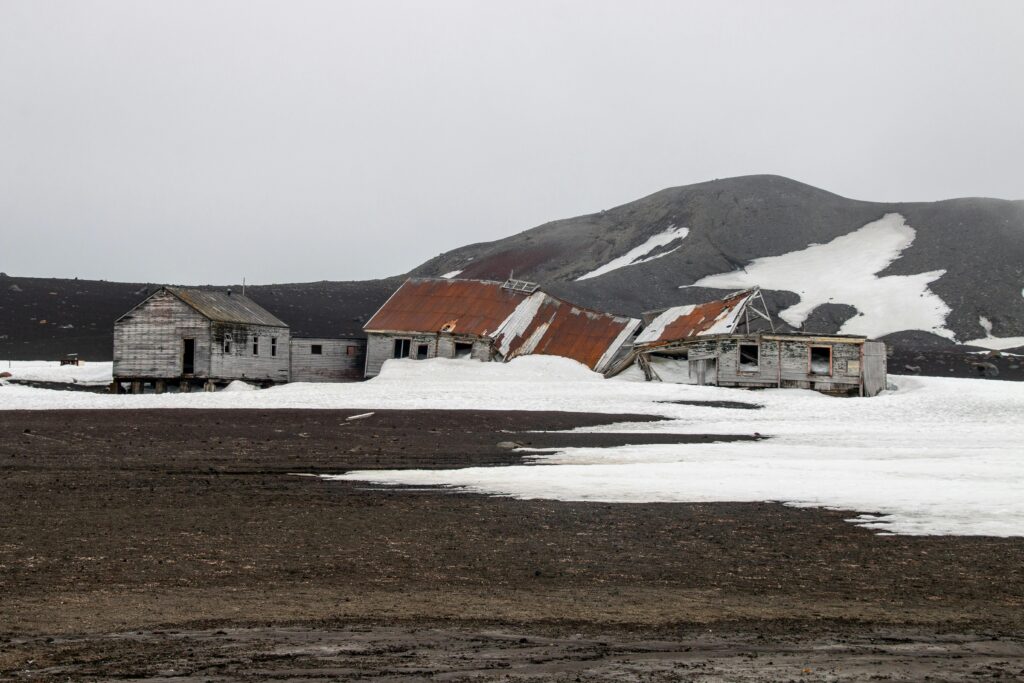
The beaches here are made of black volcanic sand, which is warm just a few centimetres below the surface due to residual geothermal heat. Visitors can even bathe in natural warm springs at the shore’s edge. Furthermore, the island holds the ruins of an old Norwegian whaling station, adding a haunting layer of human history to an already otherworldly landscape.
Key Experiences:
- Sail inside a volcanic caldera
- Black sand beach hiking
- Geothermal warm springs
- Historic whaling station ruins
- Chilean & British Antarctic bases
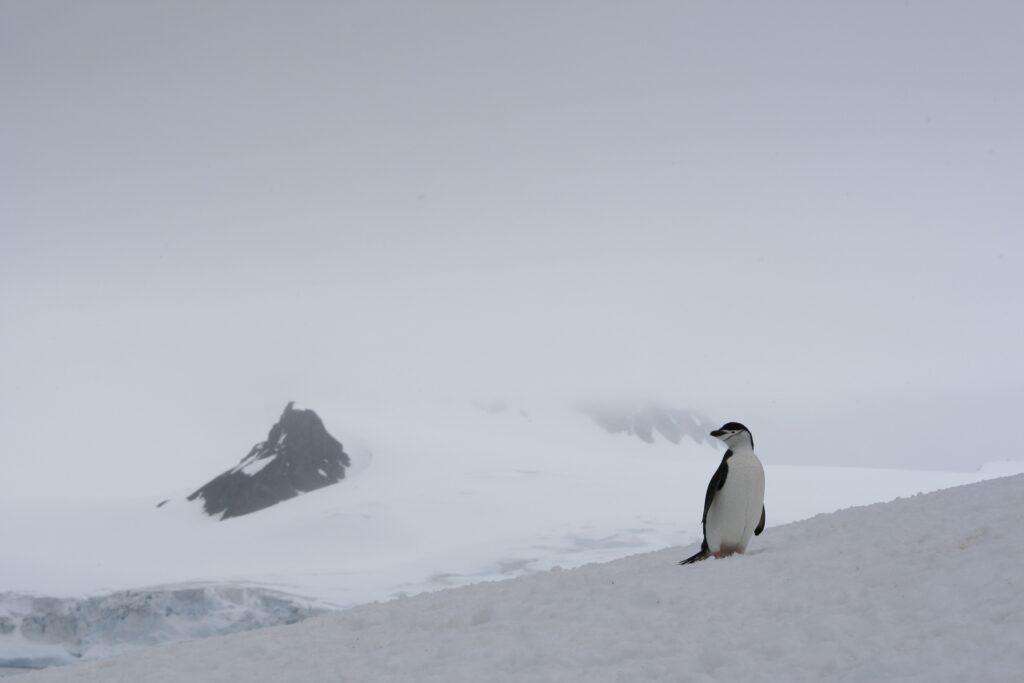
Half Moon Island — The Penguin Crescent
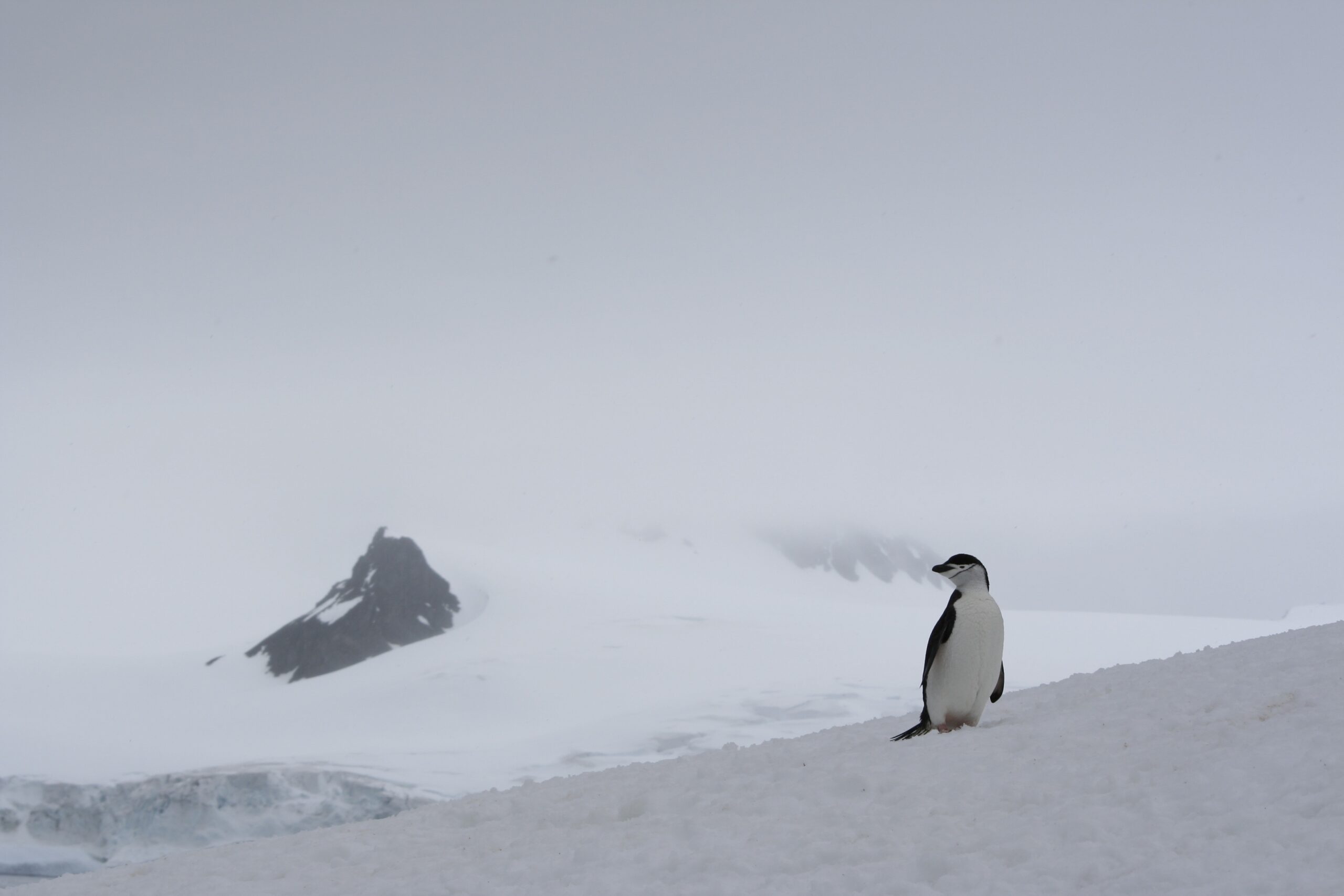
True to its name, Half Moon Island curves in a perfect crescent around a sheltered bay. The island is home to one of the largest Chinstrap Penguin colonies in the entire South Shetland chain. These energetic, noisy birds — named for the thin black line under their chins — are found here in the thousands, and their calls fill the air the moment you step ashore.
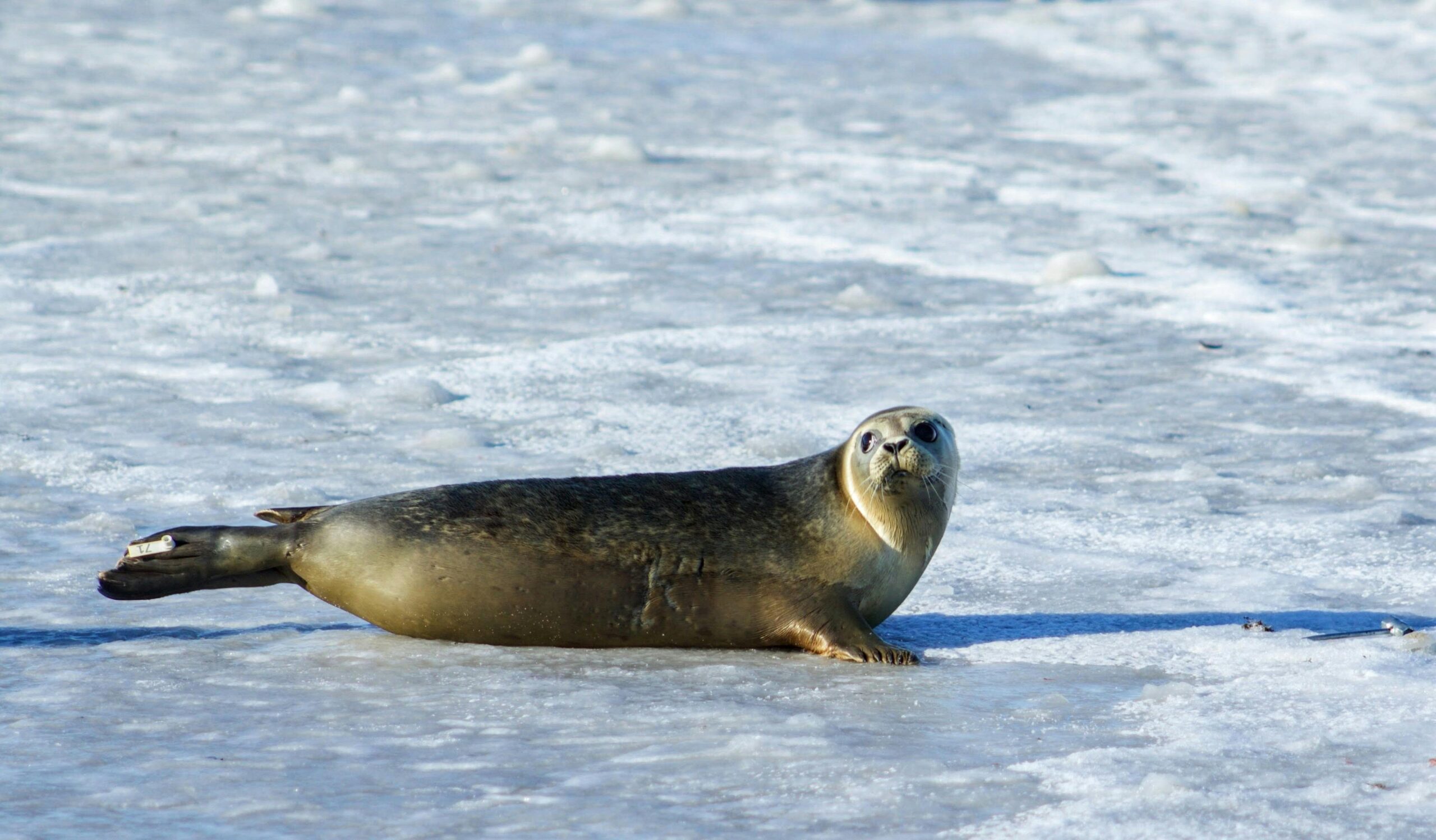
In addition to penguins, Weddell Seals often rest along the beach, entirely untroubled by the presence of visitors. The Argentine Cámara Station, an Antarctic research base, also sits on the island and is occasionally open for visits.
Key Experiences:
- Chinstrap Penguin mega-colony
- Weddell Seal encounters
- Crescent bay photography
Aitcho Islands — Where Penguins Build Highways
The Aitcho Islands are famous among Antarctic naturalists for two things. First, the well-worn paths that penguins use to travel across the island — called “penguin highways” — are so established that they look almost like intentionally built walkways. Second, the islands are covered in vivid Antarctic mosses and lichens that create a rich tapestry of greens, oranges, and yellows against the snow and rock. This colourful groundcover is in fact one of the most biodiverse environments in the entire region. Both Gentoo and Chinstrap Penguins breed here, and encounters are often wonderfully close.
Key Experiences:
- Penguin highway trails
- Antarctic moss carpets
- Gentoo & Chinstrap Penguins
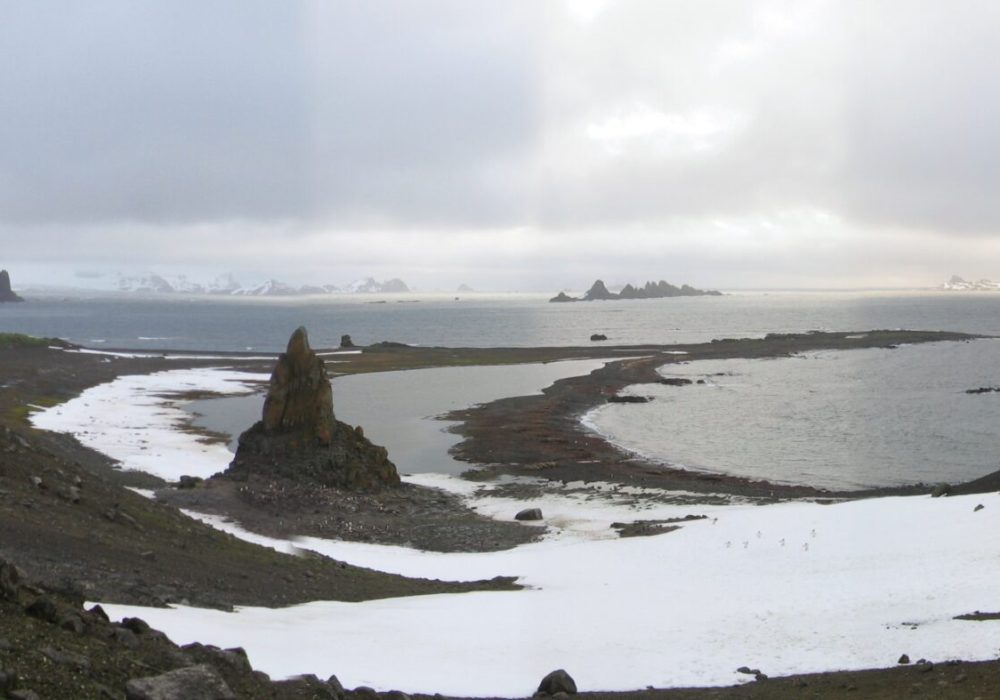
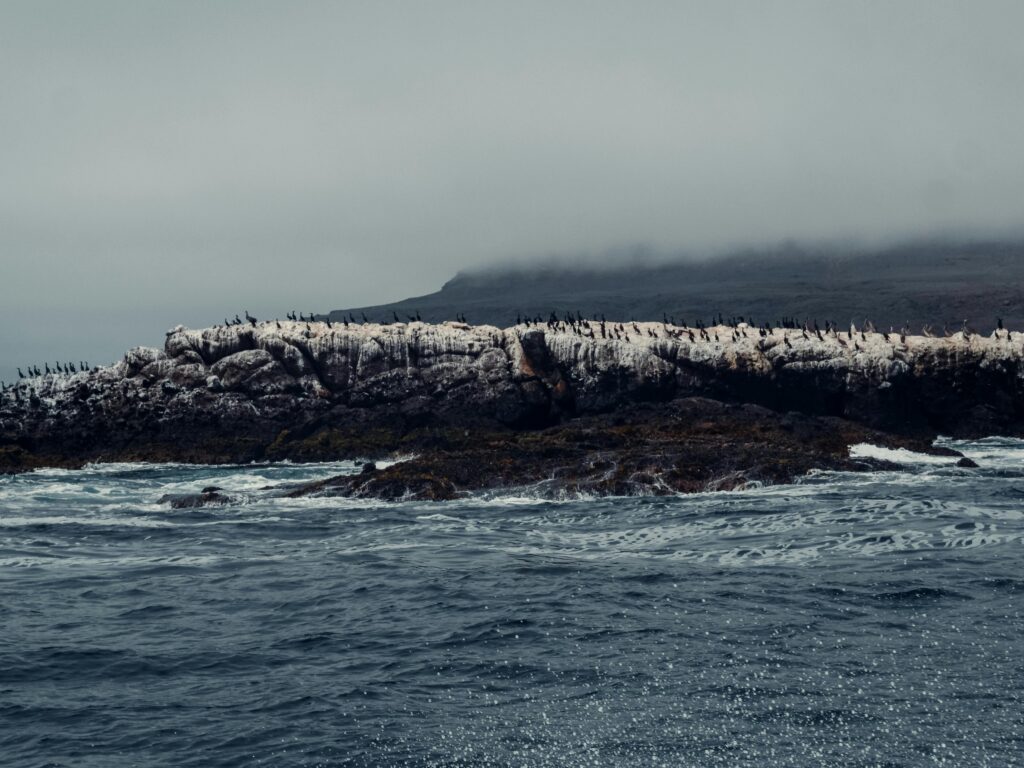
Livingston Island — Hannah Point
Hannah Point on Livingston Island is widely regarded as one of the best wildlife-watching sites in the entire Antarctic region. Enormous Southern Elephant Seals haul themselves up onto the beach in large numbers, and their sheer size — males can weigh up to 2,200 kg — is jaw-dropping to witness up close.
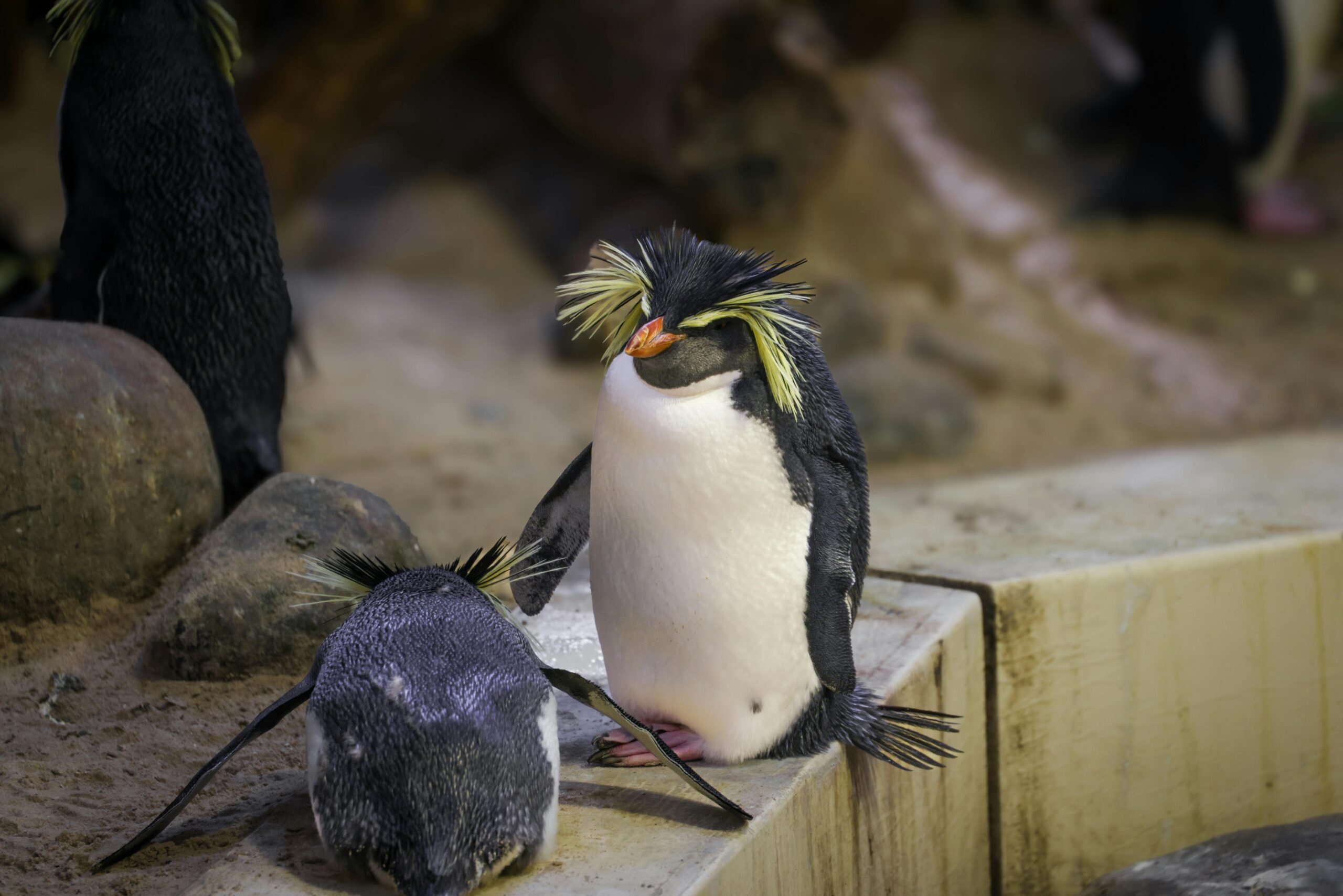
Additionally, this is one of the very few places in Antarctica where you can reliably find Macaroni Penguins, recognised by their flamboyant golden crest feathers. Gentoo and Chinstrap Penguins also breed here, making Hannah Point a genuine multi-species destination in a single shore landing.
Key Experiences:
- Southern Elephant Seals
- Macaroni Penguins
- Gentoo & Chinstrap Penguins
Yankee Harbor—History on the Shore
Yankee Harbour is named after the American sealers who used this sheltered bay as a base in the early 19th century. Today, it is a calm and accessible landing site with a long, flat “spit” — a narrow stretch of land reaching into the harbour — that makes it ideal for leisurely walks in any weather.
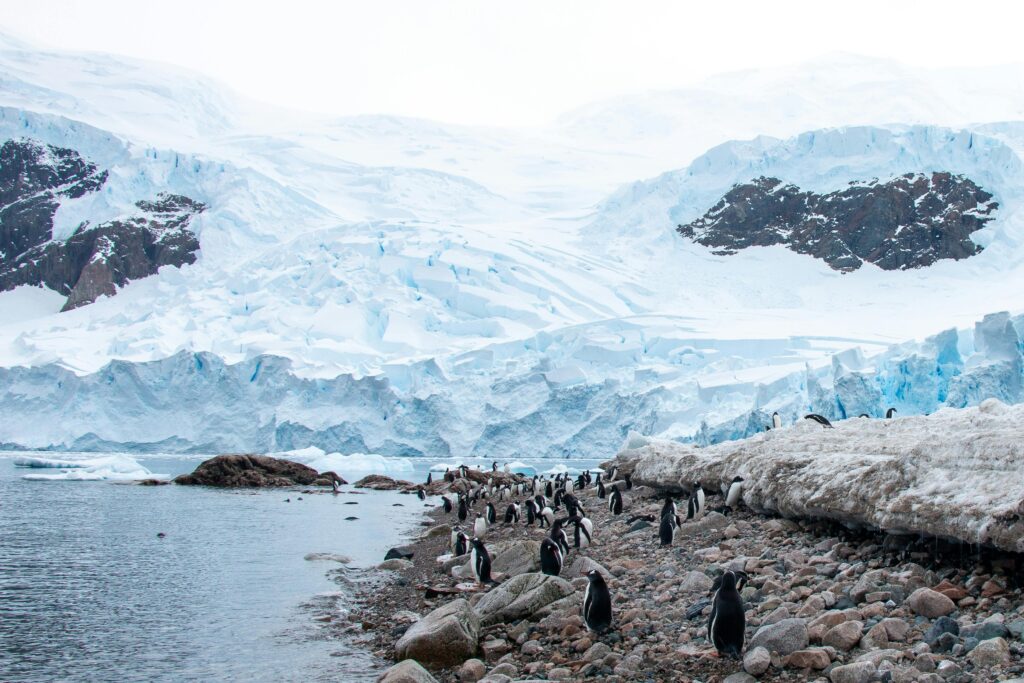
A large colony of Gentoo Penguins nests here, and because the terrain is gentle, this landing is perfect for all fitness levels. The harbour’s calm waters also make it a favourite spot for Zodiac cruising, where you can glide quietly between ice floes while watching penguins porpoise in and out of the water alongside you.
Key Experiences:
- Gentoo Penguin colony
- Easy flat-terrain walking
- Zodiac ice-floe cruising
- 19th-century sealing history
WILDLIFE YOU WILL ACTUALLY SEE
The Animals You Will Actually See
Unlike most wildlife destinations, Antarctic animals have no natural fear of humans. As a result, encounters are often astonishingly close and unhurried.
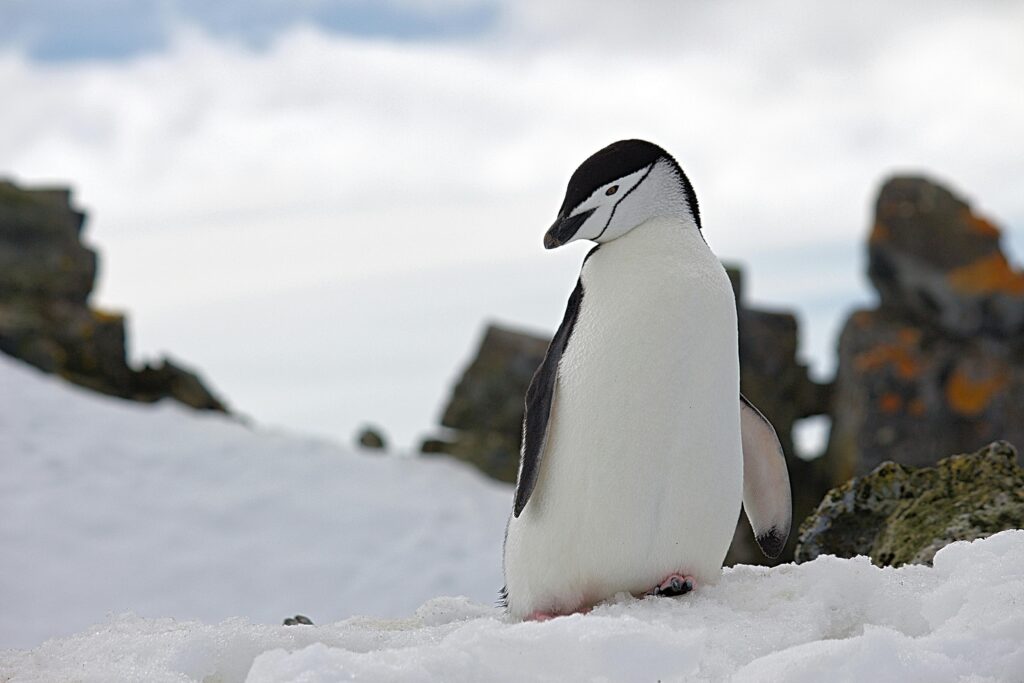
Chinstrap Penguin
Named for the distinctive black line under their chin. Found in huge colonies on Half Moon Island and the Aitcho Islands.
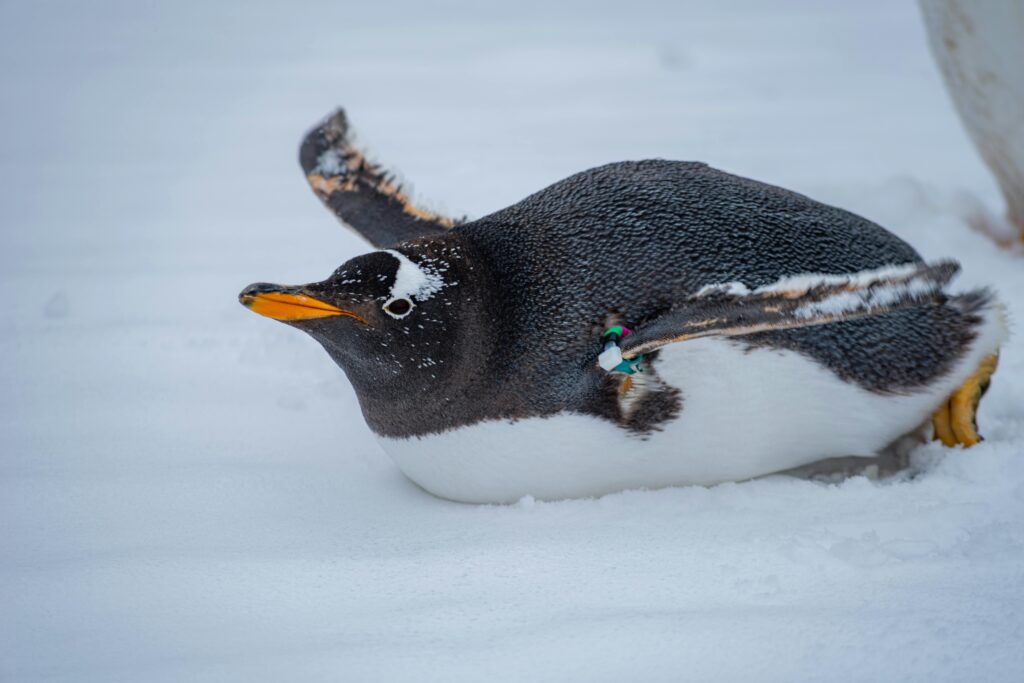
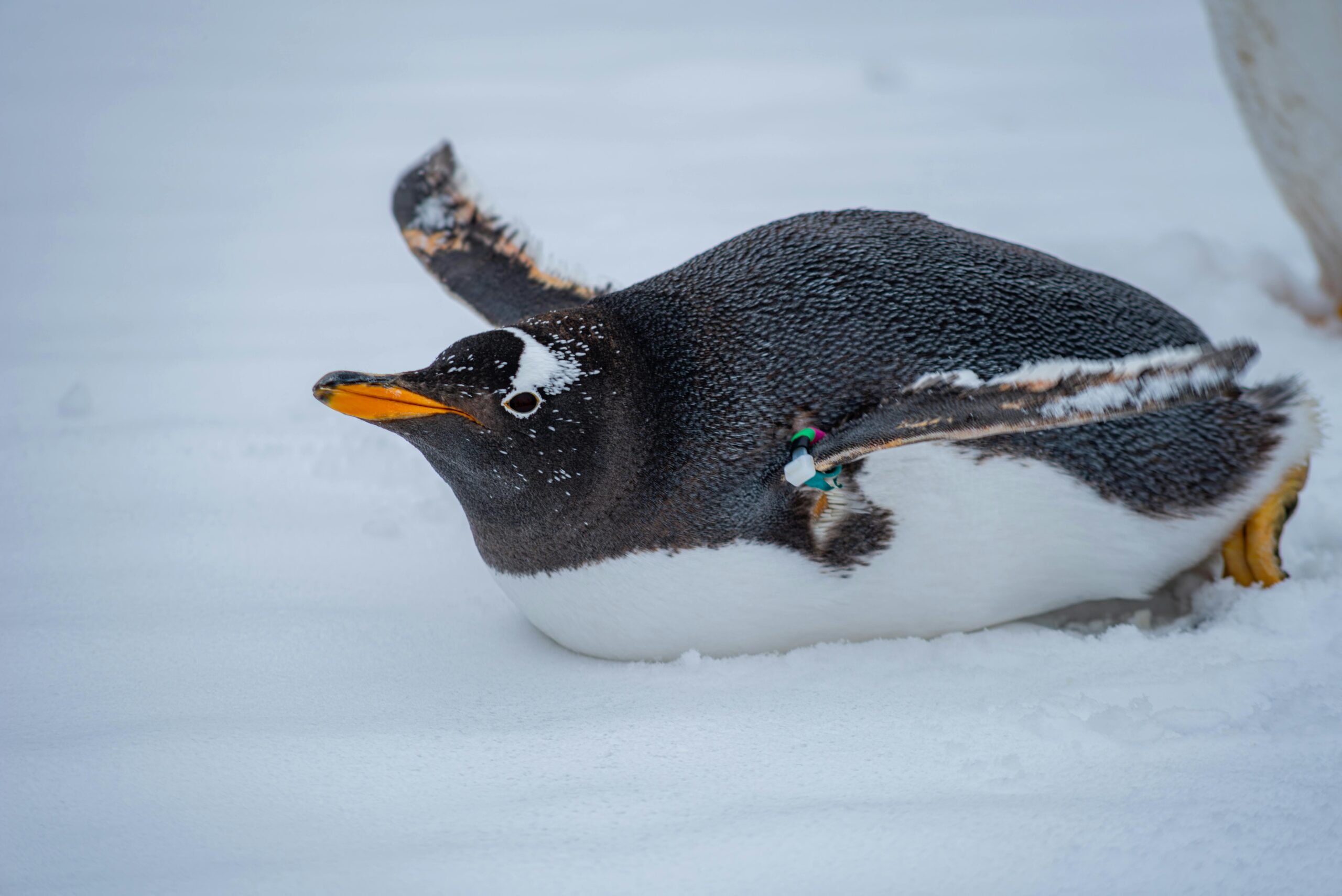
Gentoo Penguin
The fastest swimming penguin in the world. Large colonies thrive at Yankee Harbour, Aitcho Islands, and Hannah Point.
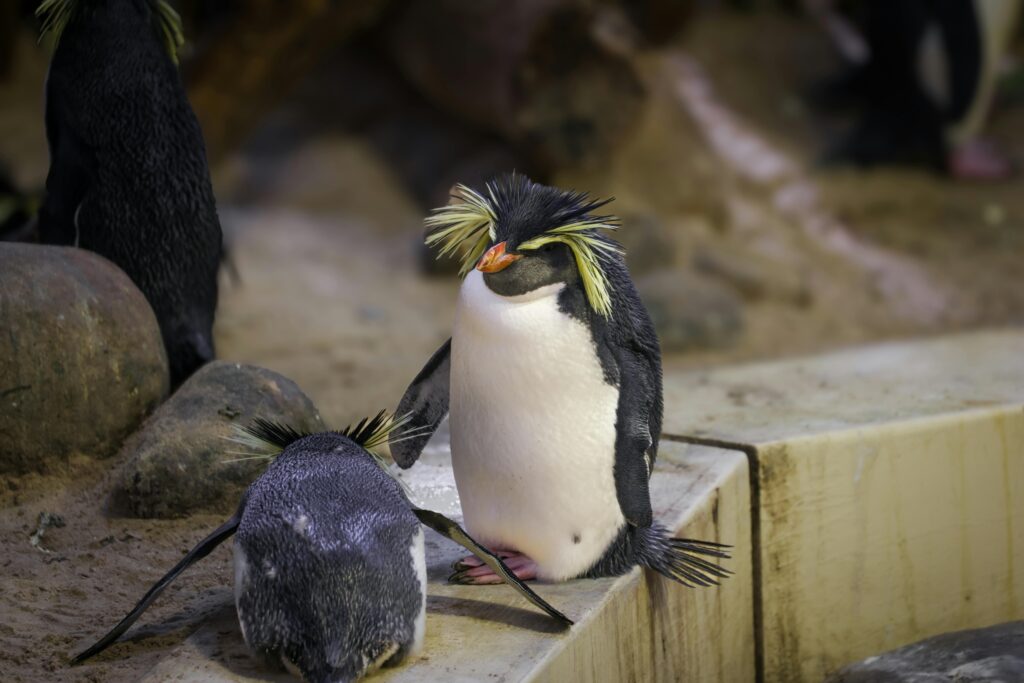
Macaroni Penguin
Instantly recognisable by their dramatic golden crest. Hannah Point is one of their key South Shetland breeding sites.
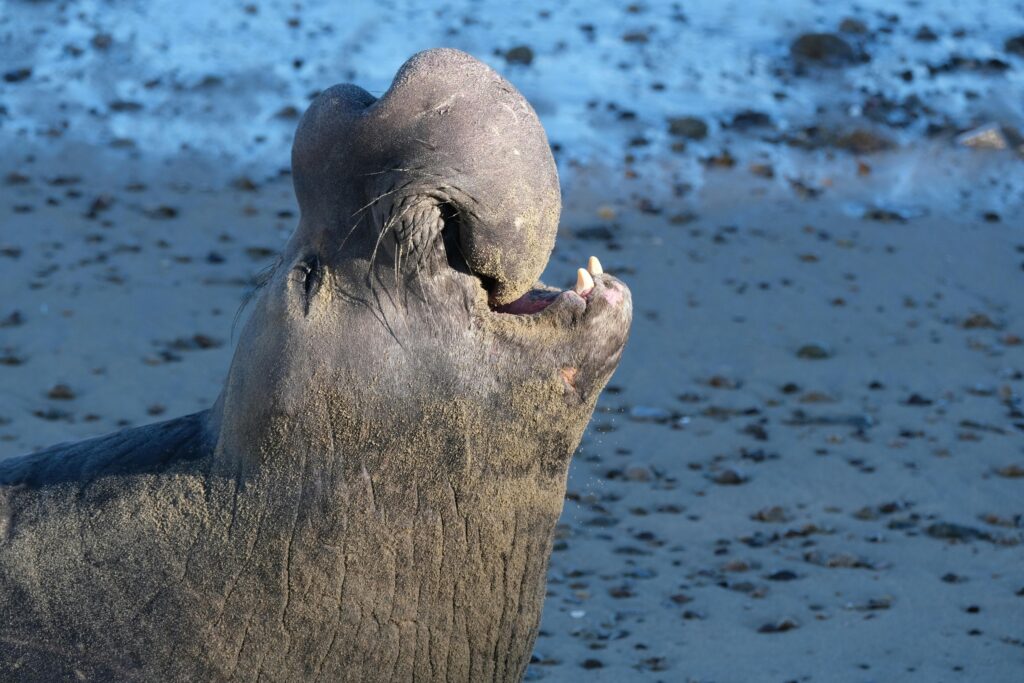
Southern Elephant Seal
The largest seal on Earth. Males can weigh over 2,200 kg. Congregate in impressive numbers at Hannah Point.
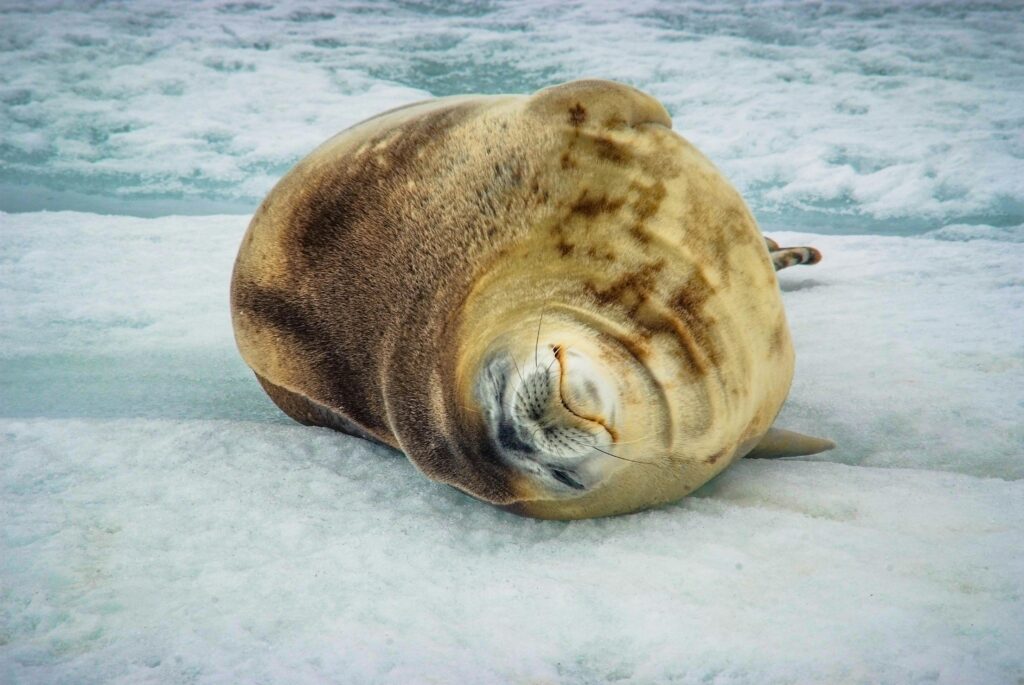
Weddell Seal
The fastest swimming penguin in the world. Large colonies thrive at Yankee Harbour, Aitcho Islands, and Hannah Point.
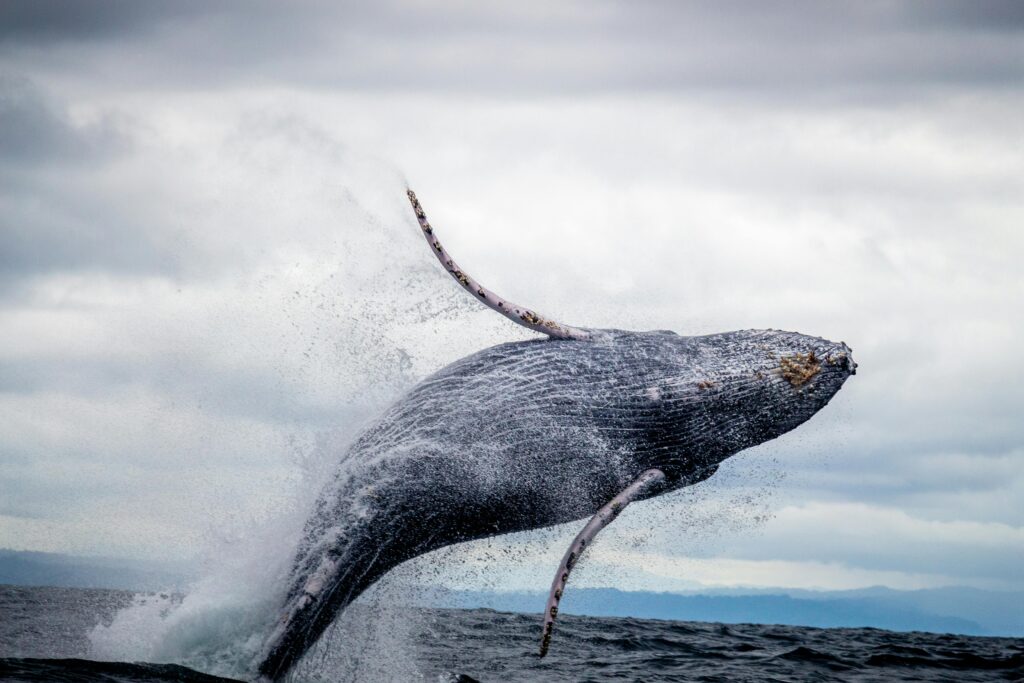
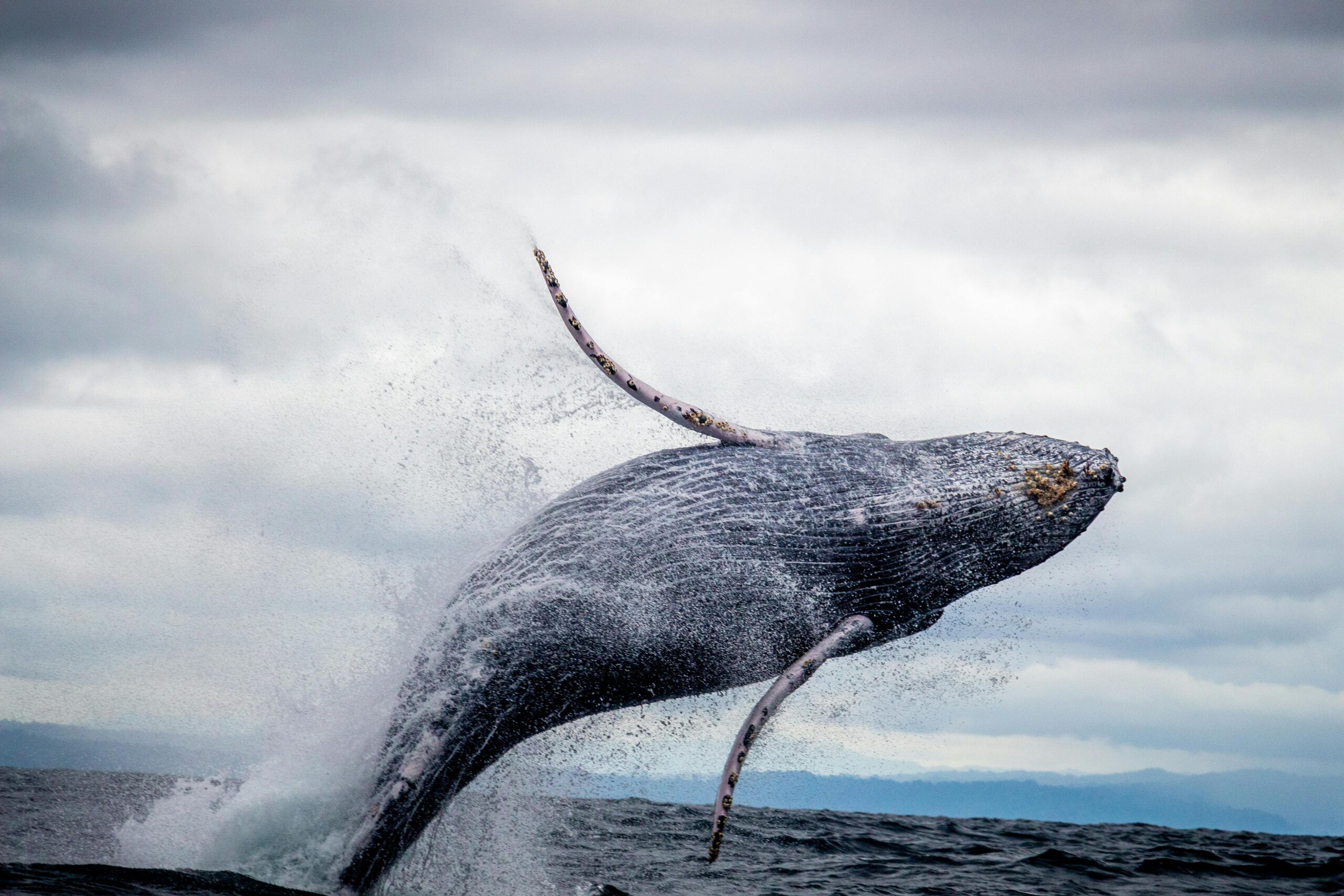
Humpback Whale
The Drake Passage and waters around the South Shetlands are prime feeding grounds. Sightings of breaching whales are common during November.
Everything You Need to Know About the South Shetland Islands
Where Are the South Shetland Islands?
The South Shetland Islands are a chain of 11 main islands located approximately 160 kilometres north of the Antarctic Peninsula. They lie between latitudes 61°S and 63°S, placing them just inside the Antarctic Convergence — the biological boundary where cold Antarctic waters meet warmer sub-Antarctic waters. This mixing of ocean currents makes the surrounding sea exceptionally rich in krill, fish, and other marine life, which in turn supports the extraordinary wildlife populations the islands are famous for.
Because of their location, the South Shetlands are typically the first Antarctic landfall on any Peninsula expedition. They are also, therefore, where most travellers first set foot on their 7th Continent. First claimed by a British sealer in 1819, the islands have since been the site of scientific research, whaling operations, and now, sustainable expedition tourism.
What Is the Best Time to Visit the South Shetland Islands?
The Antarctic summer runs from November to March, and this is the only practical window for expedition tourism. Within this season, November is particularly special. First, the sea ice is receding, which means better access to landing sites. Second, the penguin colonies are in full breeding mode — eggs are hatching, chicks are growing, and the beaches are alive with activity. Third, humpback and minke whales are moving into the region to take advantage of the krill boom, making whale sightings frequent. Our November 15 departure is therefore timed to capture this peak of wildlife activity.
Is the Drake Passage Really That Rough?
The Drake Passage has a reputation as one of the world’s roughest stretches of water, and it can certainly live up to that name. However, modern polar-class vessels with advanced stabilisers handle even significant swells comfortably. Furthermore, many crossings — known as “Drake Lake” — are surprisingly smooth. Your onboard medical team and expedition staff have made this crossing many times and are fully prepared to ensure your safety and comfort. The two days at sea are also not wasted: they are filled with expert lectures, wildlife spotting from the deck, and the growing excitement of approaching the most remote continent on Earth.
What Should I Pack for the South Shetland Islands?
Your expedition parka and waterproof boots are provided. However, you will need to bring your own waterproof trousers for Zodiac landings, as these are not included in the package. Layering is essential in Antarctica, where temperatures can range from -5°C to 5°C in November. Thermal base layers, a fleece mid-layer, waterproof outer layers, and warm hats and gloves are all important. A good camera and plenty of memory cards are equally vital — you will want to photograph every moment.
FAQ
Frequently Asked Questions
Yes. Deception Island is one of the world’s only navigable calderas. The ship enters through a gap called Neptune’s Bellows and anchors in the sheltered bay inside the caldera. You then go ashore by Zodiac to walk on the black volcanic sand beach and explore the ruins of the historic whaling station at Whalers Bay.
Antarctic wildlife regulations require visitors to stay at least 5 metres from penguins. However, because penguins have no natural fear of humans, they frequently approach you much closer than that. It is entirely normal to have a Chinstrap or Gentoo Penguin walk directly up to you out of curiosity. You must not chase or reach out to touch them, but letting them approach you is both permitted and very common.
No prior expedition experience is required. This voyage is specifically designed to be accessible to first-time Antarctic travellers. Your experienced expedition team manages all safety aspects of every shore landing, and activities are offered in a range of difficulty levels, from easy flat walks at Yankee Harbour to more active hikes on Deception Island. The ship’s medical team is also always available.
Gallery
Highlights of South Shetland Islands